

Posters
Category
Theoretical Proposal
Description
Context: Rotator cuff tendinopathy, characterized by tendon-related pain, weakness, and decreased range of motion (ROM), accounts for more than 50% of chronic shoulder disease cases. While traditional treatments include physical therapy and ultrasound, high-power laser therapy has emerged as a modality that utilizes heat to increase local vasodilation and microcirculation, potentially decreasing pain and inflammatory biomarkers. This Critically Appraised Topic (CAT) aims to determine if high-intensity laser therapy effectively reduces pain and improves ROM in adults with shoulder tendinopathies.
Methods: A computerized search of Google Scholar, MEDLINE Ultimate, and PubMed was conducted in January and February 2026. Search terms included combinations of "high intensity laser therapy," "power laser treatment," and "shoulder tendinopathy". Selection was limited to English-language randomized controlled trials (RCTs) involving human participants published between 2021 and 2026. Primary outcomes gathered were pain intensity via the Visual Analog Scale (VAS) and shoulder ROM. Evidence quality was appraised using the PEDro scale for internal validity and the Oxford Centre for Evidence-Based Medicine (CEBM) scale for level of evidence.
Results: The search identified 42 articles, of which three RCTs met all inclusion criteria. In terms of pain outcomes, one study reported that the laser group’s VAS score improved from 7.6 ± 0.8 before treatment to 4.0 ± 0.6 after treatment (p < 0.001). Another study also demonstrated a significant reduction in VAS scores during activity (p = 0.002). Regarding functional outcomes, significant improvements were observed in active shoulder abduction and flexion (p = 0.001), along with improved sonographic findings, including reduced subacromial fluid. Quality appraisal indicated that the included studies had high methodological quality, with PEDro scores of 8/10 and 9/10, and all were classified as Level 1b evidence according to the CEBM.
Conclusions: High-intensity laser therapy is a viable and effective conservative treatment for reducing pain and improving range of motion in adults with shoulder tendinopathy. This modality serves as a promising non-surgical alternative, especially for patients who cannot tolerate NSAIDs. While the evidence is strong, the long-term applicability is slightly limited by short follow-up durations and relatively small sample sizes. Clinicians should consider the equipment needed for this high-power modality as a practical addition to routine physiotherapy to enhance patient outcomes.
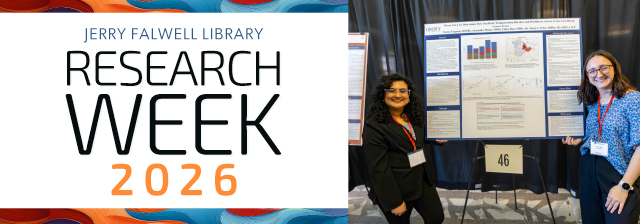
High Intensity Laser Therapy for Shoulder Tendinopathies: A Critically Appraised Topic
Theoretical Proposal
Context: Rotator cuff tendinopathy, characterized by tendon-related pain, weakness, and decreased range of motion (ROM), accounts for more than 50% of chronic shoulder disease cases. While traditional treatments include physical therapy and ultrasound, high-power laser therapy has emerged as a modality that utilizes heat to increase local vasodilation and microcirculation, potentially decreasing pain and inflammatory biomarkers. This Critically Appraised Topic (CAT) aims to determine if high-intensity laser therapy effectively reduces pain and improves ROM in adults with shoulder tendinopathies.
Methods: A computerized search of Google Scholar, MEDLINE Ultimate, and PubMed was conducted in January and February 2026. Search terms included combinations of "high intensity laser therapy," "power laser treatment," and "shoulder tendinopathy". Selection was limited to English-language randomized controlled trials (RCTs) involving human participants published between 2021 and 2026. Primary outcomes gathered were pain intensity via the Visual Analog Scale (VAS) and shoulder ROM. Evidence quality was appraised using the PEDro scale for internal validity and the Oxford Centre for Evidence-Based Medicine (CEBM) scale for level of evidence.
Results: The search identified 42 articles, of which three RCTs met all inclusion criteria. In terms of pain outcomes, one study reported that the laser group’s VAS score improved from 7.6 ± 0.8 before treatment to 4.0 ± 0.6 after treatment (p < 0.001). Another study also demonstrated a significant reduction in VAS scores during activity (p = 0.002). Regarding functional outcomes, significant improvements were observed in active shoulder abduction and flexion (p = 0.001), along with improved sonographic findings, including reduced subacromial fluid. Quality appraisal indicated that the included studies had high methodological quality, with PEDro scores of 8/10 and 9/10, and all were classified as Level 1b evidence according to the CEBM.
Conclusions: High-intensity laser therapy is a viable and effective conservative treatment for reducing pain and improving range of motion in adults with shoulder tendinopathy. This modality serves as a promising non-surgical alternative, especially for patients who cannot tolerate NSAIDs. While the evidence is strong, the long-term applicability is slightly limited by short follow-up durations and relatively small sample sizes. Clinicians should consider the equipment needed for this high-power modality as a practical addition to routine physiotherapy to enhance patient outcomes.
