

Posters
Category
Theoretical Proposal
Description
Background: Limited data exist on the mental health of adolescents and how this population is uniquely affected by violence, particularly where treatment is not sought or accessible. Using a scoping review, this study aims to examine violence-related mental health disorders in adolescents.
Design: The PRISMA Extension for Scoping Reviews was used as a guideline for reporting. Searches were conducted on online databases to identify peer-reviewed papers published from 2020 to January 2026. Twenty-three publications on adolescents in Asia, Europe, Africa, and America were identified. The studies contained keywords such as community violence, conflict, adolescents, and mental health. The range in age from 10 to 19 years.
Results: Violent conflicts were associated with several mental illnesses among adolescents. Using different standardized tools, the mental health conditions classified were anxiety (Mild to severe), depression (from Mild to severe), post-traumatic stress disorder (PTSD), internalizing symptoms, externalizing symptoms, somatization, Attention Deficit Hyperactivity Disorder (ADHD), substance abuse, sleep disorders, bipolar, psychopathology, psychotic disorders, and the use of the generic term “mental health”.
Conclusion: Adolescents who survive violence face several mental illnesses, including anxiety, depression, PTSD, ADHD, sleep disorders, psychotic disorders, and others. As young people, this population experiences violence from a unique standpoint, with a significant impact on their mental health. These hidden scars adolescents carry affect their overall well-being. More public health measures need to be put in place to address violence-related mental health disorders in adolescents.
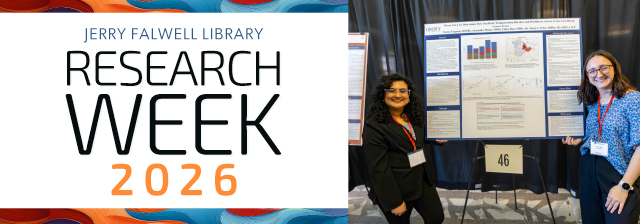
Hidden Scars: A Scoping Review of Violence-Related Mental Health Disorders in Adolescents
Theoretical Proposal
Background: Limited data exist on the mental health of adolescents and how this population is uniquely affected by violence, particularly where treatment is not sought or accessible. Using a scoping review, this study aims to examine violence-related mental health disorders in adolescents.
Design: The PRISMA Extension for Scoping Reviews was used as a guideline for reporting. Searches were conducted on online databases to identify peer-reviewed papers published from 2020 to January 2026. Twenty-three publications on adolescents in Asia, Europe, Africa, and America were identified. The studies contained keywords such as community violence, conflict, adolescents, and mental health. The range in age from 10 to 19 years.
Results: Violent conflicts were associated with several mental illnesses among adolescents. Using different standardized tools, the mental health conditions classified were anxiety (Mild to severe), depression (from Mild to severe), post-traumatic stress disorder (PTSD), internalizing symptoms, externalizing symptoms, somatization, Attention Deficit Hyperactivity Disorder (ADHD), substance abuse, sleep disorders, bipolar, psychopathology, psychotic disorders, and the use of the generic term “mental health”.
Conclusion: Adolescents who survive violence face several mental illnesses, including anxiety, depression, PTSD, ADHD, sleep disorders, psychotic disorders, and others. As young people, this population experiences violence from a unique standpoint, with a significant impact on their mental health. These hidden scars adolescents carry affect their overall well-being. More public health measures need to be put in place to address violence-related mental health disorders in adolescents.
