

Posters
Category
Theoretical Proposal
Description
Context: Repetitive Head Impact (RHI) exposure is a frequent consequence of participating in contact sports. Often associated with Traumatic Brain Injuries (TBI) and other neurocognitive diseases, it has been suggested that RHI can lead to a prevalence of mental health symptoms. The aim of this paper is to determine if RHI exposure increases the risk of developing mental health conditions in contact sport athletes.
Methods: CINAHL Ultimate, MEDLINE Ultimate, PubMed, and SPORTDiscus were searched for relevant literature pertaining to the focused clinical question. The search was conducted from January 1st to February 18th, 2026. Keywords used to guide the search were RHI, head impact, mental health, mental illness, mental disorder, psychiatric illness, and contact sport athletes. Articles selected were published in the last 10 years, peer reviewed, written in English, and discussed the effects of RHI on mental health in contact sport athletes. Articles excluded were published more than 10 years ago, not peer reviewed, not written in English, and were irrelevant to the clinical question. The literature search identified 62 articles, 52 remained after duplicates were removed. 44 articles were excluded based on their title or abstract, leaving 8 remaining articles to be assessed for eligibility. Of the 8 articles, 4 were included in the final literature review. The CASP checklist for cohort studies was used to appraise the quality of the evidence. Outcomes used to measure RHI and mental health included a sensor installed mouthguard, the Cumulative Head Impact Index (CHII), the Ohio State University TBI Identification Method (OSU TBI ID), self-reported questionnaires, the PHQ-9, GAD-7, DSM-5 Diagnostic Criteria for ADHD, PCL-C for PTSD, and the Aggression Questionnaire (AQ).
Results: Each article assessed the effects of RHI exposure and how it affects the development of mental health conditions in current or former contact sport athletes. Buddenbaum et. al (2025) observed that mental health symptoms increase in contact sport athletes after 3 consecutive seasons. Montenigro et. al noted that the risk of developing mental health issues increases after sustaining 1000 or more impacts. De Souza et. al noted that experiencing RHI after a TBI was associated with greater depression symptoms than RHI exposure before the injury. Buddenbaum et. al (2024) noted that contact sport athletes have an increased likelihood to be diagnosed with mental health disorders or experience mental health symptoms compared to non-contact athletes.
Conclusion: Evidence suggests there is an increased risk of developing mental health conditions in contact sport athletes after participating in multiple seasons. Athletic trainers should consider including mental health screenings in their preparticipation exams as a means of monitoring athletes’ psychological progression over multiple contact sports seasons. Further research needs to be completed to fully understand the effects of RHI on mental health conditions in contact sport athletes.
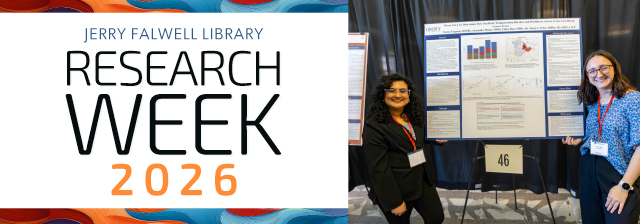
The Effect of Repetitive Head Impact Exposure on the Risk of Developing Mental Health Conditions in Contact Sport Athletes: A Critically Appraised Topic
Theoretical Proposal
Context: Repetitive Head Impact (RHI) exposure is a frequent consequence of participating in contact sports. Often associated with Traumatic Brain Injuries (TBI) and other neurocognitive diseases, it has been suggested that RHI can lead to a prevalence of mental health symptoms. The aim of this paper is to determine if RHI exposure increases the risk of developing mental health conditions in contact sport athletes.
Methods: CINAHL Ultimate, MEDLINE Ultimate, PubMed, and SPORTDiscus were searched for relevant literature pertaining to the focused clinical question. The search was conducted from January 1st to February 18th, 2026. Keywords used to guide the search were RHI, head impact, mental health, mental illness, mental disorder, psychiatric illness, and contact sport athletes. Articles selected were published in the last 10 years, peer reviewed, written in English, and discussed the effects of RHI on mental health in contact sport athletes. Articles excluded were published more than 10 years ago, not peer reviewed, not written in English, and were irrelevant to the clinical question. The literature search identified 62 articles, 52 remained after duplicates were removed. 44 articles were excluded based on their title or abstract, leaving 8 remaining articles to be assessed for eligibility. Of the 8 articles, 4 were included in the final literature review. The CASP checklist for cohort studies was used to appraise the quality of the evidence. Outcomes used to measure RHI and mental health included a sensor installed mouthguard, the Cumulative Head Impact Index (CHII), the Ohio State University TBI Identification Method (OSU TBI ID), self-reported questionnaires, the PHQ-9, GAD-7, DSM-5 Diagnostic Criteria for ADHD, PCL-C for PTSD, and the Aggression Questionnaire (AQ).
Results: Each article assessed the effects of RHI exposure and how it affects the development of mental health conditions in current or former contact sport athletes. Buddenbaum et. al (2025) observed that mental health symptoms increase in contact sport athletes after 3 consecutive seasons. Montenigro et. al noted that the risk of developing mental health issues increases after sustaining 1000 or more impacts. De Souza et. al noted that experiencing RHI after a TBI was associated with greater depression symptoms than RHI exposure before the injury. Buddenbaum et. al (2024) noted that contact sport athletes have an increased likelihood to be diagnosed with mental health disorders or experience mental health symptoms compared to non-contact athletes.
Conclusion: Evidence suggests there is an increased risk of developing mental health conditions in contact sport athletes after participating in multiple seasons. Athletic trainers should consider including mental health screenings in their preparticipation exams as a means of monitoring athletes’ psychological progression over multiple contact sports seasons. Further research needs to be completed to fully understand the effects of RHI on mental health conditions in contact sport athletes.
