

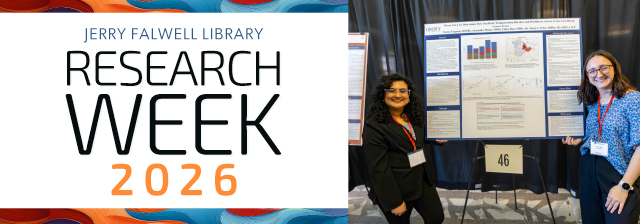
Posters
Category
Theoretical Proposal
Description
Context: Knee injuries, including anterior cruciate ligament (ACL) reconstruction and knee osteoarthritis (KOA), can lead to decreased quadriceps strength, reduced joint function, and persistent pain. Repetitive transcranial magnetic stimulation (rTMS) can enhance corticospinal excitability, promote quadriceps activation, and improve functional recovery. This critically appraised topic evaluates the effects of rTMS on pain, quadriceps function, and overall recovery in individuals undergoing knee rehabilitation.
Methods: Google Scholar, PubMed, and Trip Database were searched for studies published within the past 5 years. The initial search identified 942 studies. After screening titles and abstracts, 939 studies were excluded due to duplicates or relevance. Three randomized controlled trials (RCTs) met the inclusion/exclusion criteria. Limitations included small sample sizes, short intervention durations, and potential bias. All studies measured pain, quadriceps function, and functional outcomes before, during, and after rTMS intervention. The PEDRO scale was applied to assess study quality. The average score across the included studies was 8/10, indicating high quality.
Results: All three studies investigated the effects of repetitive transcranial magnetic stimulation (rTMS) on knee pain, quadriceps function, or functional outcomes. The first study found that 12 weeks of high-frequency rTMS combined with quadriceps strength training significantly reduced pain (VAS) and improved WOMAC scores, peak torque of extensor and flexor muscles, and flexion–extension ratio compared with sham rTMS. The second study reported that a single session of rTMS alone decreased pain intensity more than sham rTMS combined with manual therapy, with lower physical disability observed at follow-up, although no differences were found for range of motion or functional mobility. The third study showed that rTMS applied post-ACL reconstruction increased quadriceps activation (RMS and RMT), improved knee extension angle, and reduced pain compared with sham treatment, while muscle circumference differences were not significant. Limitations across the studies included small sample sizes, short intervention durations, and potential bias from limited blinding, which may affect the generalizability of the results.
Conclusions: rTMS appears to reduce pain and improve quadriceps activation and functional outcomes in patients with knee osteoarthritis and post-ACL reconstruction. High frequency rTMS combined with quadriceps strength training shows the greatest improvements in pain, muscle strength, and joint function. While single session rTMS can reduce pain, combining it with manual therapy immediately afterward may reduce its analgesic effect. Overall, rTMS demonstrates potential as an adjunct to rehabilitation, but further studies with larger sample sizes and longer follow-ups are needed to confirm these findings.
The Effect of Repetitive Transcranial Magnetic Stimulation (rTMS) on Knee Rehabilitation: A Critically Appraised Topic
Theoretical Proposal
Context: Knee injuries, including anterior cruciate ligament (ACL) reconstruction and knee osteoarthritis (KOA), can lead to decreased quadriceps strength, reduced joint function, and persistent pain. Repetitive transcranial magnetic stimulation (rTMS) can enhance corticospinal excitability, promote quadriceps activation, and improve functional recovery. This critically appraised topic evaluates the effects of rTMS on pain, quadriceps function, and overall recovery in individuals undergoing knee rehabilitation.
Methods: Google Scholar, PubMed, and Trip Database were searched for studies published within the past 5 years. The initial search identified 942 studies. After screening titles and abstracts, 939 studies were excluded due to duplicates or relevance. Three randomized controlled trials (RCTs) met the inclusion/exclusion criteria. Limitations included small sample sizes, short intervention durations, and potential bias. All studies measured pain, quadriceps function, and functional outcomes before, during, and after rTMS intervention. The PEDRO scale was applied to assess study quality. The average score across the included studies was 8/10, indicating high quality.
Results: All three studies investigated the effects of repetitive transcranial magnetic stimulation (rTMS) on knee pain, quadriceps function, or functional outcomes. The first study found that 12 weeks of high-frequency rTMS combined with quadriceps strength training significantly reduced pain (VAS) and improved WOMAC scores, peak torque of extensor and flexor muscles, and flexion–extension ratio compared with sham rTMS. The second study reported that a single session of rTMS alone decreased pain intensity more than sham rTMS combined with manual therapy, with lower physical disability observed at follow-up, although no differences were found for range of motion or functional mobility. The third study showed that rTMS applied post-ACL reconstruction increased quadriceps activation (RMS and RMT), improved knee extension angle, and reduced pain compared with sham treatment, while muscle circumference differences were not significant. Limitations across the studies included small sample sizes, short intervention durations, and potential bias from limited blinding, which may affect the generalizability of the results.
Conclusions: rTMS appears to reduce pain and improve quadriceps activation and functional outcomes in patients with knee osteoarthritis and post-ACL reconstruction. High frequency rTMS combined with quadriceps strength training shows the greatest improvements in pain, muscle strength, and joint function. While single session rTMS can reduce pain, combining it with manual therapy immediately afterward may reduce its analgesic effect. Overall, rTMS demonstrates potential as an adjunct to rehabilitation, but further studies with larger sample sizes and longer follow-ups are needed to confirm these findings.
