

Posters
Category
Applied
Description
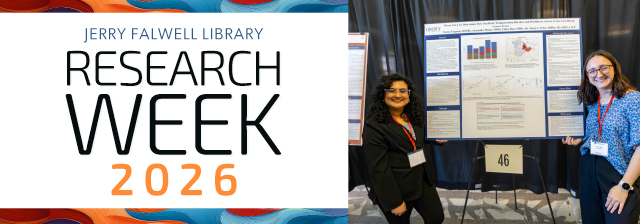
Research Question: This qualitative study examines how first-generation Hispanic undergraduate students perceive their K-12 educational experiences and how these shaped their transition into higher education. Method: Through semi-structured interviews with four participants, the research identifies recurring themes, including parental involvement, language barriers, access to resources, motivation, and preparedness for college. These insights contribute to understanding systemic factors behind the achievement gap and inform strategies for more equitable educational support. Conclusion: Overall, the findings show that first-generation Hispanic students’ college readiness is shaped by the combined effects of limited early academic rigor, inconsistent school–family communication, and assumptions about home academic support. These interconnected factors left many students without sustained scaffolding across K–12, contributing to gaps in preparedness that reflect systemic inequities rather than individual shortcomings.
Exploring the K-12 Educational Experiences of First-Generation Hispanic Undergraduate Students
Applied
Research Question: This qualitative study examines how first-generation Hispanic undergraduate students perceive their K-12 educational experiences and how these shaped their transition into higher education. Method: Through semi-structured interviews with four participants, the research identifies recurring themes, including parental involvement, language barriers, access to resources, motivation, and preparedness for college. These insights contribute to understanding systemic factors behind the achievement gap and inform strategies for more equitable educational support. Conclusion: Overall, the findings show that first-generation Hispanic students’ college readiness is shaped by the combined effects of limited early academic rigor, inconsistent school–family communication, and assumptions about home academic support. These interconnected factors left many students without sustained scaffolding across K–12, contributing to gaps in preparedness that reflect systemic inequities rather than individual shortcomings.
