

Posters
Category
Textual or Investigative
Description
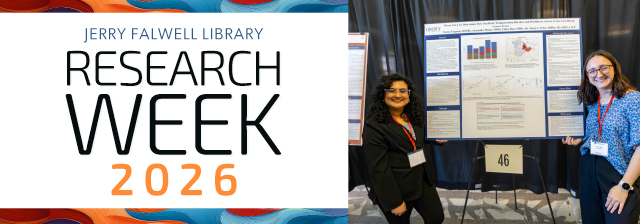
Based on information reported in previous studies, the release of a gaseous compound called hydrogen sulfide (H2S) has been shown to increase medicinally beneficial effects in patients with glaucoma. These positive effects are expressed as a decreased level of pruritus (itchiness) and pain located in the eyes. Ongoing research strives to maximize these positive effects through the formation of various compounds in the endocannabinoid system that release hydrogen sulfide when applied to patients who have glaucoma. Through the formation of various thioureas and carbamates, researchers at Liberty University have found that trace amounts of hydrogen sulfide are released in biologically relevant environments. These compounds were tested using a Lead-Acetate paper assay and densitometry analysis to measure their effective level of hydrogen sulfide formation. Additionally, these compounds were tested for their level of enzyme inhibition, primarily targeting the allosteric endocannabinoid hydrolase enzyme, fatty acid amide hydrolase (FAAH). The screening data indicated positive effects on the inhibition of FAAH, resulting in the potential benefits of future compounds. These findings are indicative of the many positive medicinal capabilities that these compounds should possess in relation to the selective amount of hydrogen sulfide released and enzyme inhibition observed in vitro.
The Effect of Enzyme Inhibition & Release of Hydrogen Sulfide: A Medicinally Therapeutic Study
Textual or Investigative
Based on information reported in previous studies, the release of a gaseous compound called hydrogen sulfide (H2S) has been shown to increase medicinally beneficial effects in patients with glaucoma. These positive effects are expressed as a decreased level of pruritus (itchiness) and pain located in the eyes. Ongoing research strives to maximize these positive effects through the formation of various compounds in the endocannabinoid system that release hydrogen sulfide when applied to patients who have glaucoma. Through the formation of various thioureas and carbamates, researchers at Liberty University have found that trace amounts of hydrogen sulfide are released in biologically relevant environments. These compounds were tested using a Lead-Acetate paper assay and densitometry analysis to measure their effective level of hydrogen sulfide formation. Additionally, these compounds were tested for their level of enzyme inhibition, primarily targeting the allosteric endocannabinoid hydrolase enzyme, fatty acid amide hydrolase (FAAH). The screening data indicated positive effects on the inhibition of FAAH, resulting in the potential benefits of future compounds. These findings are indicative of the many positive medicinal capabilities that these compounds should possess in relation to the selective amount of hydrogen sulfide released and enzyme inhibition observed in vitro.
