

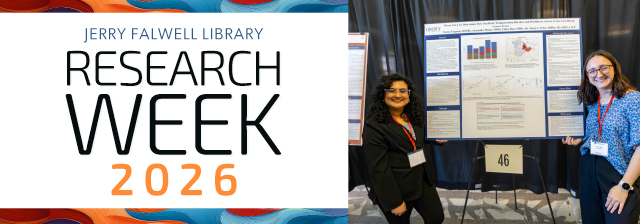
Posters
Category
Applied
Description
Background: Internally displaced persons (IDPs) face food insecurity, unmet healthcare needs, unsafe living conditions, and trauma, all of which may impact psychological resilience. Hopefulness can serve as a practical proxy for resilience, but few studies examine how cumulative unmet needs affect hopefulness among IDPs. This study explores the association between unmet need severity and hopefulness among IDPs in Nigeria to guide targeted humanitarian interventions.
Methods: Cross-sectional survey data from 98 displaced adults were analyzed. Hopefulness was a binary outcome (hopeful vs not hopeful). The main exposure was a cumulative unmet need score covering food insecurity, unmet healthcare, unsafe living conditions, and trauma. Analyses included Fisher’s exact tests, trend testing, and logistic regression adjusted for age, education, family size, and displacement duration.
Results: Overall hopefulness was high (90.8%) but declined with greater unmet need burden: 0–2 unmet needs had near-universal hopefulness, while 3 and 4 unmet needs had 86.7% and 73.1% hopefulness, respectively. Each additional unmet need reduced the odds of hopefulness (adjusted OR 0.09; 95% CI, 0.01–0.37). Longer displacement (=5 years) was linked to higher hopefulness (adjusted OR 47.25; 95% CI, 4.39–1528.10). Lack of safety was the strongest individual predictor of reduced hopefulness.
Conclusions: Higher unmet need severity is strongly associated with lower hopefulness, whereas prolonged displacement may indicate psychological adaptation. Humanitarian interventions addressing multiple unmet needs, particularly safety, food, and healthcare, are essential to strengthen resilience among IDPs.
Unmet Needs and Resilience in Internally Displaced Populations (IDPs) in Nigeria: Evidence to Inform Humanitarian Interventions
Applied
Background: Internally displaced persons (IDPs) face food insecurity, unmet healthcare needs, unsafe living conditions, and trauma, all of which may impact psychological resilience. Hopefulness can serve as a practical proxy for resilience, but few studies examine how cumulative unmet needs affect hopefulness among IDPs. This study explores the association between unmet need severity and hopefulness among IDPs in Nigeria to guide targeted humanitarian interventions.
Methods: Cross-sectional survey data from 98 displaced adults were analyzed. Hopefulness was a binary outcome (hopeful vs not hopeful). The main exposure was a cumulative unmet need score covering food insecurity, unmet healthcare, unsafe living conditions, and trauma. Analyses included Fisher’s exact tests, trend testing, and logistic regression adjusted for age, education, family size, and displacement duration.
Results: Overall hopefulness was high (90.8%) but declined with greater unmet need burden: 0–2 unmet needs had near-universal hopefulness, while 3 and 4 unmet needs had 86.7% and 73.1% hopefulness, respectively. Each additional unmet need reduced the odds of hopefulness (adjusted OR 0.09; 95% CI, 0.01–0.37). Longer displacement (=5 years) was linked to higher hopefulness (adjusted OR 47.25; 95% CI, 4.39–1528.10). Lack of safety was the strongest individual predictor of reduced hopefulness.
Conclusions: Higher unmet need severity is strongly associated with lower hopefulness, whereas prolonged displacement may indicate psychological adaptation. Humanitarian interventions addressing multiple unmet needs, particularly safety, food, and healthcare, are essential to strengthen resilience among IDPs.
