

Posters
Category
Theoretical Proposal
Description
Clinical Scenario: Cerebral Palsy has impacted a wide variety of individuals, especially children in their motor control, movement, and physical functioning. Hippotherapy has been used to improve the activities of daily living in diverse conditions and physical limitations. Specifically, studies have found a positive effect on cerebral palsy patients with this form of therapy in gait and motor function. Clinical Question: In children with cerebral palsy, was hippotherapy effective in improving motor control required for activities of daily living?
Summary of Key Findings: The authors of four high quality articles found that hippotherapy is an effective treatment for children diagnosed with cerebral palsy, in which two articles utilized simulated hippotherapy and the other two articles utilized traditional hippotherapy.
Clinical Bottom Line: Hippotherapy, particularly traditional equine therapy, effectively enhances motor control and function in children with cerebral palsy and serves as a beneficial adjunct to conventional therapy. Strength of Recommendation: Based on the current findings, hippotherapy treatment as a contributing method has been shown to promote motor control improvements in pediatric cerebral palsy.
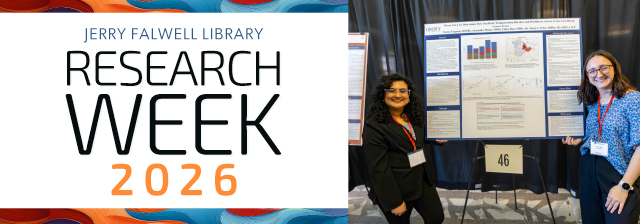
Effects of Hippotherapy on Motor Control in Children with Cerebral Palsy (CP): A Critically Appraised Topic
Theoretical Proposal
Clinical Scenario: Cerebral Palsy has impacted a wide variety of individuals, especially children in their motor control, movement, and physical functioning. Hippotherapy has been used to improve the activities of daily living in diverse conditions and physical limitations. Specifically, studies have found a positive effect on cerebral palsy patients with this form of therapy in gait and motor function. Clinical Question: In children with cerebral palsy, was hippotherapy effective in improving motor control required for activities of daily living?
Summary of Key Findings: The authors of four high quality articles found that hippotherapy is an effective treatment for children diagnosed with cerebral palsy, in which two articles utilized simulated hippotherapy and the other two articles utilized traditional hippotherapy.
Clinical Bottom Line: Hippotherapy, particularly traditional equine therapy, effectively enhances motor control and function in children with cerebral palsy and serves as a beneficial adjunct to conventional therapy. Strength of Recommendation: Based on the current findings, hippotherapy treatment as a contributing method has been shown to promote motor control improvements in pediatric cerebral palsy.
