

Posters
Category
Textual or Investigative
Description
Background: Intimate partner violence (IPV) affects 1 in 4 women and 1 in 7 men in the United States, yet tertiary interventions supporting survivors remain understudied compared to primary and secondary prevention efforts. This systematic review identifies and evaluates existing tertiary prevention programs and policies addressing IPV in the U.S., focusing on their effectiveness in reducing IPV-related fatalities and promoting survivor recovery, safety, independence, and long-term stability.
Methods: This study systematically reviewed literature published January 2020-December 2024 across five leading journals using the Scopus database. From 861 initial results, 24 articles met inclusion criteria following PRISMA guidelines.
Results: Interventions clustered into three categories: direct survivor services (housing/shelter-based n=7, psychosocial n=6, economic/employment n=2), structural and systems-level interventions (legal/criminal justice n=4, macro-level policy n=3), and wrap-around service models (n=2). Multi-pronged approaches addressing multiple survivors needs simultaneously demonstrated greater success in promoting meaningful recovery, safety, and stability, while structural interventions showed inconsistent effectiveness.
Significance: Findings reveal critical gaps in fragmented systems and highlight the need for holistic, survivor-centered interventions to support long-term IPV survivor well-being. Keywords:¿Intimate partner violence (IPV);¿systematic review; tertiary intervention; policy;¿survivor support; survivor¿safety
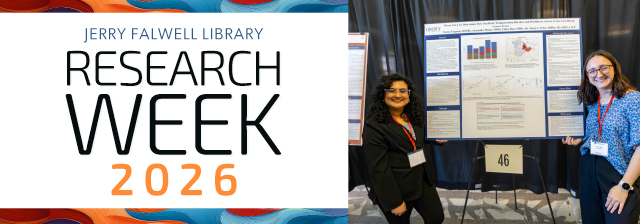
Systematic Review on Tertiary Policies and Programs for Survivors of Intimate Partner Violence in the U.S. (2020-2024)
Textual or Investigative
Background: Intimate partner violence (IPV) affects 1 in 4 women and 1 in 7 men in the United States, yet tertiary interventions supporting survivors remain understudied compared to primary and secondary prevention efforts. This systematic review identifies and evaluates existing tertiary prevention programs and policies addressing IPV in the U.S., focusing on their effectiveness in reducing IPV-related fatalities and promoting survivor recovery, safety, independence, and long-term stability.
Methods: This study systematically reviewed literature published January 2020-December 2024 across five leading journals using the Scopus database. From 861 initial results, 24 articles met inclusion criteria following PRISMA guidelines.
Results: Interventions clustered into three categories: direct survivor services (housing/shelter-based n=7, psychosocial n=6, economic/employment n=2), structural and systems-level interventions (legal/criminal justice n=4, macro-level policy n=3), and wrap-around service models (n=2). Multi-pronged approaches addressing multiple survivors needs simultaneously demonstrated greater success in promoting meaningful recovery, safety, and stability, while structural interventions showed inconsistent effectiveness.
Significance: Findings reveal critical gaps in fragmented systems and highlight the need for holistic, survivor-centered interventions to support long-term IPV survivor well-being. Keywords:¿Intimate partner violence (IPV);¿systematic review; tertiary intervention; policy;¿survivor support; survivor¿safety
