

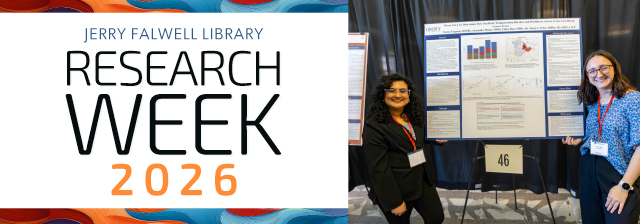
Posters
Category
Applied
Description
Cancer remains a major global cause of mortality, with kidney cancer representing a significant portion of newly diagnosed cases each year worldwide and in the United States. In Virginia alone, more than one thousand new kidney cancer cases are reported annually. The majority of these cancers are classified as renal cell carcinoma (RCC), with clear cell renal cell carcinoma (ccRCC) accounting for roughly 70% of diagnoses. ccRCC tumors exhibit substantial metabolic reprogramming that supports rapid proliferation and survival under fluctuating nutrient conditions. Because of this metabolic dependence, targeting pathways involved in glucose uptake and cellular energy production has emerged as a promising therapeutic strategy. Our laboratory has identified 24-methyl cholesterol (24-MC), a plant-derived phytosterol, as a regulator of metabolic signaling. Preliminary studies demonstrate that 24-MC significantly inhibits glucose uptake in differentiated 3T3-L1 adipocytes in a dose-dependent manner across concentrations ranging from 1 µM to 1 mM. Additional experiments indicate that 24-MC suppresses activation of AMP-activated protein kinase (AMPK) and inhibits the enzymatic activity of NAMPT, the rate-limiting enzyme in the NAD¿ salvage pathway. Because NAD¿ is essential for glycolytic and mitochondrial metabolism, disruption of this pathway may limit the metabolic capacity required to sustain tumor growth. To extend these findings, we are investigating the effects of 24-MC on glucose uptake in Caki-1 clear cell renal cell carcinoma cells and examining downstream regulators of NAD¿ metabolism. In particular, we are evaluating Sirtuin 1 (SIRT1), a NAD¿-dependent deacetylase that regulates metabolic adaptation and transcriptional responses. Preliminary dose-response studies indicate that 24-MC alters SIRT1 activity, and ongoing experiments include NAD¿/NADH quantification assays to determine whether 24-MC alters intracellular NAD¿ availability. The objective of this work is to further characterize the dose-dependent effects of 24-MC on glucose uptake and metabolic signaling in ccRCC cells and evaluate its potential as a therapeutic strategy targeting tumor metabolism.
Molecular Basis of 24-Methyl Cholesterol as an Anti-Renal Clear Cell Carcinoma Agent in the Context of Altered Cellular Glucose Metabolism
Applied
Cancer remains a major global cause of mortality, with kidney cancer representing a significant portion of newly diagnosed cases each year worldwide and in the United States. In Virginia alone, more than one thousand new kidney cancer cases are reported annually. The majority of these cancers are classified as renal cell carcinoma (RCC), with clear cell renal cell carcinoma (ccRCC) accounting for roughly 70% of diagnoses. ccRCC tumors exhibit substantial metabolic reprogramming that supports rapid proliferation and survival under fluctuating nutrient conditions. Because of this metabolic dependence, targeting pathways involved in glucose uptake and cellular energy production has emerged as a promising therapeutic strategy. Our laboratory has identified 24-methyl cholesterol (24-MC), a plant-derived phytosterol, as a regulator of metabolic signaling. Preliminary studies demonstrate that 24-MC significantly inhibits glucose uptake in differentiated 3T3-L1 adipocytes in a dose-dependent manner across concentrations ranging from 1 µM to 1 mM. Additional experiments indicate that 24-MC suppresses activation of AMP-activated protein kinase (AMPK) and inhibits the enzymatic activity of NAMPT, the rate-limiting enzyme in the NAD¿ salvage pathway. Because NAD¿ is essential for glycolytic and mitochondrial metabolism, disruption of this pathway may limit the metabolic capacity required to sustain tumor growth. To extend these findings, we are investigating the effects of 24-MC on glucose uptake in Caki-1 clear cell renal cell carcinoma cells and examining downstream regulators of NAD¿ metabolism. In particular, we are evaluating Sirtuin 1 (SIRT1), a NAD¿-dependent deacetylase that regulates metabolic adaptation and transcriptional responses. Preliminary dose-response studies indicate that 24-MC alters SIRT1 activity, and ongoing experiments include NAD¿/NADH quantification assays to determine whether 24-MC alters intracellular NAD¿ availability. The objective of this work is to further characterize the dose-dependent effects of 24-MC on glucose uptake and metabolic signaling in ccRCC cells and evaluate its potential as a therapeutic strategy targeting tumor metabolism.
