

Posters
Category
Basic
Description
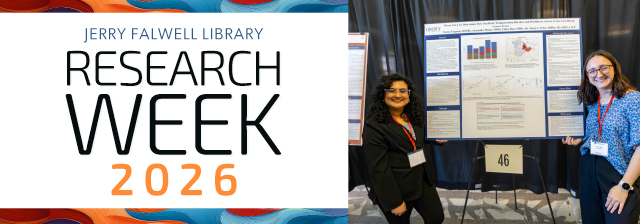
Maternal vaccination is a critical component of preventive care, yet coverage in the United States remains inconsistent, with persistent racial and age-related disparities. This study examined maternal influenza and Tdap vaccination coverage among pregnant women in Mississippi from 2018–2021, a state with disproportionately high maternal and infant mortality. Using publicly available CDC surveillance data, a quantitative secondary data analysis was conducted to assess vaccination trends and differences by race/ethnicity and maternal age group. After excluding suppressed estimates, 48 observations were analyzed. Overall maternal vaccination coverage averaged 51.55% across all years and demographic groups, with influenza coverage ranging from 49–54% and Tdap coverage consistently higher. Younger pregnant women (18–24 years) demonstrated the lowest vaccination uptake for both vaccines, while women aged 25–34 years had the highest coverage. Racial disparities were evident: White non-Hispanic women had substantially higher influenza (52.5%) and Tdap (63.65%) coverage compared with Black non-Hispanic women (36.5% and 51.48%, respectively). These findings indicate that maternal vaccination coverage in Mississippi remained moderate and relatively stable over time but varied significantly across demographic groups. Targeted public health strategies addressing access, provider communication, and structural barriers are needed to improve vaccination uptake and reduce disparities among pregnant women in Mississippi.
How Did Maternal Influenza and Tdap Vaccination Coverage Among Pregnant Women in Mississippi Change from 2018–2021, and How Do Coverage Rates Differ by Race/Ethnicity?
Basic
Maternal vaccination is a critical component of preventive care, yet coverage in the United States remains inconsistent, with persistent racial and age-related disparities. This study examined maternal influenza and Tdap vaccination coverage among pregnant women in Mississippi from 2018–2021, a state with disproportionately high maternal and infant mortality. Using publicly available CDC surveillance data, a quantitative secondary data analysis was conducted to assess vaccination trends and differences by race/ethnicity and maternal age group. After excluding suppressed estimates, 48 observations were analyzed. Overall maternal vaccination coverage averaged 51.55% across all years and demographic groups, with influenza coverage ranging from 49–54% and Tdap coverage consistently higher. Younger pregnant women (18–24 years) demonstrated the lowest vaccination uptake for both vaccines, while women aged 25–34 years had the highest coverage. Racial disparities were evident: White non-Hispanic women had substantially higher influenza (52.5%) and Tdap (63.65%) coverage compared with Black non-Hispanic women (36.5% and 51.48%, respectively). These findings indicate that maternal vaccination coverage in Mississippi remained moderate and relatively stable over time but varied significantly across demographic groups. Targeted public health strategies addressing access, provider communication, and structural barriers are needed to improve vaccination uptake and reduce disparities among pregnant women in Mississippi.
