

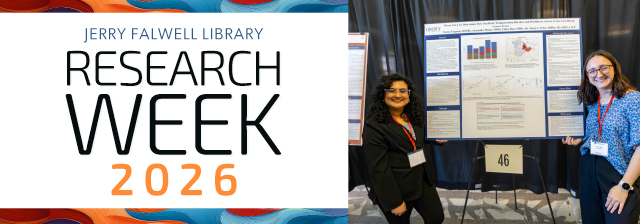
Posters
Category
Theoretical Proposal
Description
This research aims to investigate various factors influencing the mechanisms of depression manifestation in men and women as it relates to biological and hormonal factors. Individuals diagnosed with major depressive disorder (MDD), according to the Diagnostic and Statistical Manual of Mental Disorders (5th ed.; American Psychiatric Association, 2013), experience a depressed mood or a loss of interest or pleasure lasting for a minimum of 2 weeks. Depression and anxiety are twice as prevalent among women compared to men (Kundakovic & Rocks, 2022), although the underlying mechanisms and biological factors remain unknown. We aim to address the research question: “How do biological and hormonal factors influence the manifestation of depression among women compared to men?” This study utilized the integrative review framework developed by Whittemore & Knafl (2005). Systematic research was conducted across multiple databases to gather pertinent sources, and were evaluated for quality and level of evidence using the Johns Hopkins Nursing Evidence-Based Practice (JHNEBP) appraisal tool. Data were populated into a literature matrix and thematic analysis was employed to synthesize the results. Thematic analysis revealed three key themes that emerged from the data. Neuroimaging reveals that hyperconnectivity in females suggest an increased risk of overthinking and depression. Additionally, the rapid estrogen fluctuation across a woman’s lifespan places her at an increased risk for depression. Moreover, there are a multitude of non-hormonal factors that influence mental health. This research seeks to deepen our understanding of fluctuating sex hormones as a critical biological factor contributing to increased depression and anxiety in women compared to men. Applications of this research include education on and awareness of hormonal “high-risk” windows for women, as well as neurobiological differences, enabling nurses to tailor assessments and screening tools, thereby providing quality care. Furthermore, this research may direct future research regarding testosterone markers and the development of hormone-informed interventions such as testing whether treatments tailored around menstrual phases, postpartum periods, or menopausal transitions improve outcomes.
Biological and Hormonal Influences on Depression Among Women Compared to Men
Theoretical Proposal
This research aims to investigate various factors influencing the mechanisms of depression manifestation in men and women as it relates to biological and hormonal factors. Individuals diagnosed with major depressive disorder (MDD), according to the Diagnostic and Statistical Manual of Mental Disorders (5th ed.; American Psychiatric Association, 2013), experience a depressed mood or a loss of interest or pleasure lasting for a minimum of 2 weeks. Depression and anxiety are twice as prevalent among women compared to men (Kundakovic & Rocks, 2022), although the underlying mechanisms and biological factors remain unknown. We aim to address the research question: “How do biological and hormonal factors influence the manifestation of depression among women compared to men?” This study utilized the integrative review framework developed by Whittemore & Knafl (2005). Systematic research was conducted across multiple databases to gather pertinent sources, and were evaluated for quality and level of evidence using the Johns Hopkins Nursing Evidence-Based Practice (JHNEBP) appraisal tool. Data were populated into a literature matrix and thematic analysis was employed to synthesize the results. Thematic analysis revealed three key themes that emerged from the data. Neuroimaging reveals that hyperconnectivity in females suggest an increased risk of overthinking and depression. Additionally, the rapid estrogen fluctuation across a woman’s lifespan places her at an increased risk for depression. Moreover, there are a multitude of non-hormonal factors that influence mental health. This research seeks to deepen our understanding of fluctuating sex hormones as a critical biological factor contributing to increased depression and anxiety in women compared to men. Applications of this research include education on and awareness of hormonal “high-risk” windows for women, as well as neurobiological differences, enabling nurses to tailor assessments and screening tools, thereby providing quality care. Furthermore, this research may direct future research regarding testosterone markers and the development of hormone-informed interventions such as testing whether treatments tailored around menstrual phases, postpartum periods, or menopausal transitions improve outcomes.
