

Posters
Category
Textual or Investigative
Description
Introduction: Deforestation caused by agricultural land expansion and mining has been recognized as a key environmental factor affecting malaria transmission. Changes in land use can impact malaria risk by affecting local temperatures, biodiversity, and the creation of mosquito breeding sites such as stagnant pools of water. Both Zimbabwe and Nigeria remain heavily affected by malaria and have seen trends of increasing deforestation related to agriculture and extractive industries.
Methods: Peer-reviewed literature published between 2019 and 2025 was systematically reviewed with a narrative approach. Articles focusing on deforestation, land-use change, malaria transmission, vector ecology, and policy within Zimbabwe and Nigeria were selected through database searches. Data was then qualitatively summarized.
Results: Results from this review indicate that agricultural expansion and deforestation for mining purposes has potential to elevate malaria transmission by creating breeding habitat for mosquito populations as well as increasing human-vector interactions. Conclusion: Findings from this review indicate that there could be potential to increase collaboration between environmental and public health efforts. By coordinating forestation and deforestation efforts between the departments of health and forestry, there may be potential to limit malaria transmission.
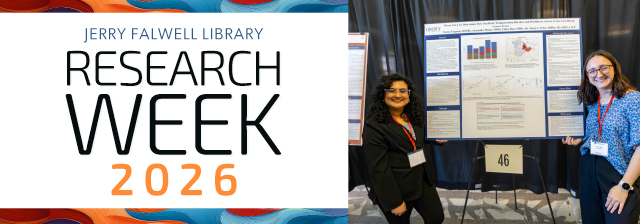
Mining and Agricultural Expansion–Driven Deforestation as a Determinant of Malaria Risk: A Comparative Narrative Review of Zimbabwe and Nigeria
Textual or Investigative
Introduction: Deforestation caused by agricultural land expansion and mining has been recognized as a key environmental factor affecting malaria transmission. Changes in land use can impact malaria risk by affecting local temperatures, biodiversity, and the creation of mosquito breeding sites such as stagnant pools of water. Both Zimbabwe and Nigeria remain heavily affected by malaria and have seen trends of increasing deforestation related to agriculture and extractive industries.
Methods: Peer-reviewed literature published between 2019 and 2025 was systematically reviewed with a narrative approach. Articles focusing on deforestation, land-use change, malaria transmission, vector ecology, and policy within Zimbabwe and Nigeria were selected through database searches. Data was then qualitatively summarized.
Results: Results from this review indicate that agricultural expansion and deforestation for mining purposes has potential to elevate malaria transmission by creating breeding habitat for mosquito populations as well as increasing human-vector interactions. Conclusion: Findings from this review indicate that there could be potential to increase collaboration between environmental and public health efforts. By coordinating forestation and deforestation efforts between the departments of health and forestry, there may be potential to limit malaria transmission.
