

Posters
Category
Textual or Investigative
Description
Background: Emergency departments are a critical point of contact for adults with untreated opioid use disorder, particularly after overdose or withdrawal. Emergency department-initiated buprenorphine may improve linkage to medications for opioid use disorder, but its effect on treatment engagement remains to be synthesized.
Study objective and hypothesis: To synthesize U.S. evidence on whether emergency department-initiated buprenorphine improves 30-day treatment engagement among adults with opioid use disorder. We hypothesized that emergency department-initiated buprenorphine would increase 30-day engagement.
Methods: A structured narrative review was conducted. Included studies were U.S.-based, involved adults presenting to the emergency department with opioid use disorder-related conditions, evaluated emergency department buprenorphine initiation, and reported treatment engagement, retention, or linkage at or near 30 days. Six studies met the inclusion criteria: 1 randomized clinical trial, 1 multisite hybrid effectiveness-implementation trial, 1 multisite cohort study, and 3 observational studies.
Results: Across all six studies, emergency department-initiated buprenorphine was associated with improved short-term treatment engagement. In the randomized trial, 30-day engagement was 78% with emergency department buprenorphine, versus 37% with referral and 45% with brief intervention. In the multisite implementation trial, 30-day engagement was 35.8% among patients receiving emergency department buprenorphine versus 12.9% among those who did not. In the multisite cohort study, 49.7% versus 22.7% were engaged at 30 days. Observational studies reported 30-day engagement or retention ranging from 43.1% to 49.3%. Conclusion: Emergency department-initiated buprenorphine improves 30-day treatment engagement among U.S. adults with opioid use disorder. Outcomes appear strongest when medication initiation is combined with structured linkage supports and rapid follow-up.
Keywords: opioid use disorder (OUD), buprenorphine, emergency department (ED), treatment engagement, medications for opioid use disorder (MOUD), care linkage
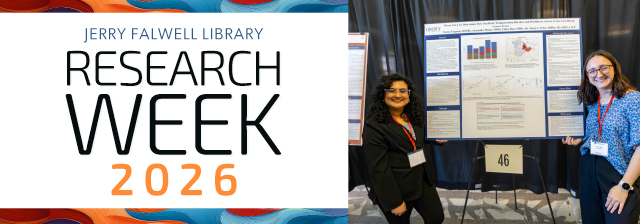
Emergency Department-Initiated Buprenorphine and 30-Day MOUD Engagement in U.S. Adults with Opioid Use Disorder
Textual or Investigative
Background: Emergency departments are a critical point of contact for adults with untreated opioid use disorder, particularly after overdose or withdrawal. Emergency department-initiated buprenorphine may improve linkage to medications for opioid use disorder, but its effect on treatment engagement remains to be synthesized.
Study objective and hypothesis: To synthesize U.S. evidence on whether emergency department-initiated buprenorphine improves 30-day treatment engagement among adults with opioid use disorder. We hypothesized that emergency department-initiated buprenorphine would increase 30-day engagement.
Methods: A structured narrative review was conducted. Included studies were U.S.-based, involved adults presenting to the emergency department with opioid use disorder-related conditions, evaluated emergency department buprenorphine initiation, and reported treatment engagement, retention, or linkage at or near 30 days. Six studies met the inclusion criteria: 1 randomized clinical trial, 1 multisite hybrid effectiveness-implementation trial, 1 multisite cohort study, and 3 observational studies.
Results: Across all six studies, emergency department-initiated buprenorphine was associated with improved short-term treatment engagement. In the randomized trial, 30-day engagement was 78% with emergency department buprenorphine, versus 37% with referral and 45% with brief intervention. In the multisite implementation trial, 30-day engagement was 35.8% among patients receiving emergency department buprenorphine versus 12.9% among those who did not. In the multisite cohort study, 49.7% versus 22.7% were engaged at 30 days. Observational studies reported 30-day engagement or retention ranging from 43.1% to 49.3%. Conclusion: Emergency department-initiated buprenorphine improves 30-day treatment engagement among U.S. adults with opioid use disorder. Outcomes appear strongest when medication initiation is combined with structured linkage supports and rapid follow-up.
Keywords: opioid use disorder (OUD), buprenorphine, emergency department (ED), treatment engagement, medications for opioid use disorder (MOUD), care linkage
