

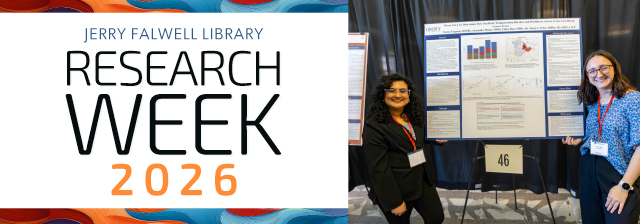
Posters
Category
Basic
Description
Immunohistochemistry (IHC) is a core technique in biomedical research and is increasingly important for teaching at the undergraduate and graduate levels. However, teaching laboratories typically rely on animal-derived tissues because the access to fresh human specimens is restricted due to ethical concerns. The purpose of this study was to evaluate whether cadaveric tissue can retain sufficient antigenicity for immunohistochemical analysis and thereby serve as an effective and ethical teaching resource. Liver lobe and renal cortex samples (approximately 1 cm³) were collected from an 88-year-old female donor. Target proteins were selected for their established roles in vitamin D metabolism and their value in illustrating tissue-specific metabolic pathways in an educational setting. In liver tissue, vitamin D 25-hydroxylase was targeted as the primary enzyme responsible for the initial hydroxylation step of vitamin D metabolism. In kidney tissue, 25-hydroxyvitamin D-1a-hydroxylase was examined due to its role in converting hydroxylated vitamin D precursor into its biologically active form, allowing direct comparison of organ specific enzymatic function. Immunohistochemical staining in cadaver tissues was compared to fresh mouse liver and kidney tissue controls. Analysis revealed specific positive staining in both cadaver and mouse tissues. While staining intensity of cadaver tissues was diminished relative to that typically observed in mouse fresh samples, antigen localization remained distinct and interpretable. These findings indicate that key enzymatic markers can be successfully visualized in cadaveric tissue. This study shows the feasibility of incorporating IHC using cadaveric tissue into teaching, providing a novel approach that merges gross anatomy and histology. Leveraging donated human tissues in instruction not only minimizes the animal use but also offers an educational tool that is more authentic and accessible. Moreover, this approach may be extended to a variety of tissues and protein targets, offering a versatile platform for ethically responsible, high value teaching laboratories.
Evaluation of Cadaver Tissue Antigenicity as a Practical Teaching Tool for Immunohistochemistry
Basic
Immunohistochemistry (IHC) is a core technique in biomedical research and is increasingly important for teaching at the undergraduate and graduate levels. However, teaching laboratories typically rely on animal-derived tissues because the access to fresh human specimens is restricted due to ethical concerns. The purpose of this study was to evaluate whether cadaveric tissue can retain sufficient antigenicity for immunohistochemical analysis and thereby serve as an effective and ethical teaching resource. Liver lobe and renal cortex samples (approximately 1 cm³) were collected from an 88-year-old female donor. Target proteins were selected for their established roles in vitamin D metabolism and their value in illustrating tissue-specific metabolic pathways in an educational setting. In liver tissue, vitamin D 25-hydroxylase was targeted as the primary enzyme responsible for the initial hydroxylation step of vitamin D metabolism. In kidney tissue, 25-hydroxyvitamin D-1a-hydroxylase was examined due to its role in converting hydroxylated vitamin D precursor into its biologically active form, allowing direct comparison of organ specific enzymatic function. Immunohistochemical staining in cadaver tissues was compared to fresh mouse liver and kidney tissue controls. Analysis revealed specific positive staining in both cadaver and mouse tissues. While staining intensity of cadaver tissues was diminished relative to that typically observed in mouse fresh samples, antigen localization remained distinct and interpretable. These findings indicate that key enzymatic markers can be successfully visualized in cadaveric tissue. This study shows the feasibility of incorporating IHC using cadaveric tissue into teaching, providing a novel approach that merges gross anatomy and histology. Leveraging donated human tissues in instruction not only minimizes the animal use but also offers an educational tool that is more authentic and accessible. Moreover, this approach may be extended to a variety of tissues and protein targets, offering a versatile platform for ethically responsible, high value teaching laboratories.
