

Posters
Category
Textual or Investigative
Description
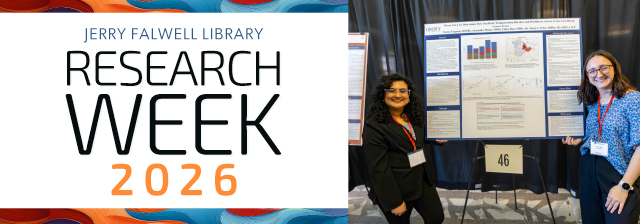
Background: Per- and polyfluoroalkyl substances (PFAS) are persistent environmental chemicals widely detected in humans. Prenatal PFAS exposure has been linked to adverse fetal and early childhood growth outcomes, raising significant public health concerns. This study investigates the influence of PFAS exposure on fetal and early childhood development.
Methods: A systematic review of peer-reviewed studies published between 2016 and 2026 was conducted using PubMed and Google Scholar. Studies assessing maternal PFAS exposure during pregnancy and outcomes such as birth weight, gestational age, fetal growth trajectories, and early childhood anthropometry were included.
Results: Higher prenatal exposure to PFAS was associated with lower birth weight, smaller head circumference, and altered fetal growth trajectories. Sex-specific effects were observed, and maternal metabolic risk factors amplified susceptibility. Associations with early childhood growth, including catch-up growth, altered weight-for-length, and increased risk of adiposity and cardiometabolic alterations were identified. Mixture effects and paternal exposures were also reported to influence outcomes.
Conclusion: Prenatal PFAS exposure poses measurable risks to fetal and early childhood development. These findings highlight the need for targeted public health interventions, exposure mitigation strategies, and regulatory policies to reduce environmental PFAS exposure and protect vulnerable populations.
Keywords: PFAS, prenatal exposure, fetal growth, early childhood development, birth outcomes, public health
PFAS Exposure and Its Influence on Fetal and Early Childhood Development
Textual or Investigative
Background: Per- and polyfluoroalkyl substances (PFAS) are persistent environmental chemicals widely detected in humans. Prenatal PFAS exposure has been linked to adverse fetal and early childhood growth outcomes, raising significant public health concerns. This study investigates the influence of PFAS exposure on fetal and early childhood development.
Methods: A systematic review of peer-reviewed studies published between 2016 and 2026 was conducted using PubMed and Google Scholar. Studies assessing maternal PFAS exposure during pregnancy and outcomes such as birth weight, gestational age, fetal growth trajectories, and early childhood anthropometry were included.
Results: Higher prenatal exposure to PFAS was associated with lower birth weight, smaller head circumference, and altered fetal growth trajectories. Sex-specific effects were observed, and maternal metabolic risk factors amplified susceptibility. Associations with early childhood growth, including catch-up growth, altered weight-for-length, and increased risk of adiposity and cardiometabolic alterations were identified. Mixture effects and paternal exposures were also reported to influence outcomes.
Conclusion: Prenatal PFAS exposure poses measurable risks to fetal and early childhood development. These findings highlight the need for targeted public health interventions, exposure mitigation strategies, and regulatory policies to reduce environmental PFAS exposure and protect vulnerable populations.
Keywords: PFAS, prenatal exposure, fetal growth, early childhood development, birth outcomes, public health
