

Posters
Category
Textual or Investigative
Description
Introduction/Background: In recent years, numerous vaccine-preventable diseases such as measles, tuberculosis, and polio, that were previously deemed controlled or eradicated have reappeared in different communities. The decline in vaccination rates, fueled by misinformation, obstacles to access, and vaccine hesitancy, presents an escalating threat to public health. This study investigates the connection between vaccination behaviors and the resurgence of these "ancient" diseases, within the framework of the Healthy People 2030 objectives.
Methods: Peer-reviewed journal articles, public health surveillance reports, and policy documents were systematically gathered through academic databases such as PubMed, Google Scholar, EBSCO and CDC/WHO repositories. Search terms employed included "vaccine hesitancy," "resurgence of measles," "vaccine-preventable diseases," and "vaccination coverage trends." Articles were evaluated for relevance based on their emphasis on vaccination behaviors, public perception, and epidemiological data concerning disease resurgence.
Results: The literature consistently demonstrates a significant correlation between decreasing vaccination rates and the resurgence of diseases such as measles, tuberculosis, and polio. Vaccine hesitancy, fueled by misinformation, a lack of trust in institutions, and a perceived low risk of contracting diseases, are key factors contributing to the decline in immunization rates. Surveillance data reveal that outbreaks predominantly occur in communities with low vaccination coverage. Focused public health education and community engagement initiatives are effective in enhancing vaccine confidence and boosting immunization rates.
Conclusion: Recent outbreaks of measles, tuberculosis, and other vaccine-preventable diseases demonstrate the direct link between declining vaccination coverage and community vulnerability. These outbreaks disproportionately affect under-immunized populations and spread rapidly in high-contact settings. Strengthening vaccine confidence and maintaining high coverage are essential to preventing future outbreaks and protecting public health.
Keywords: Infectious disease, Polio, Tuberculosis, Measles, Yellow Fever, Vaccinations
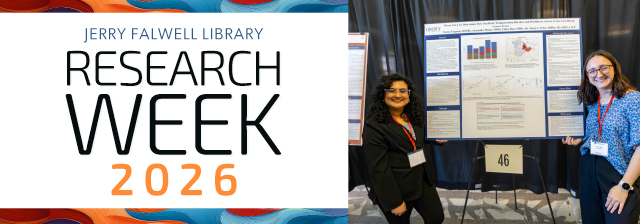
Vaccine or No Vaccine? A Sudden Rise in Ancient Diseases
Textual or Investigative
Introduction/Background: In recent years, numerous vaccine-preventable diseases such as measles, tuberculosis, and polio, that were previously deemed controlled or eradicated have reappeared in different communities. The decline in vaccination rates, fueled by misinformation, obstacles to access, and vaccine hesitancy, presents an escalating threat to public health. This study investigates the connection between vaccination behaviors and the resurgence of these "ancient" diseases, within the framework of the Healthy People 2030 objectives.
Methods: Peer-reviewed journal articles, public health surveillance reports, and policy documents were systematically gathered through academic databases such as PubMed, Google Scholar, EBSCO and CDC/WHO repositories. Search terms employed included "vaccine hesitancy," "resurgence of measles," "vaccine-preventable diseases," and "vaccination coverage trends." Articles were evaluated for relevance based on their emphasis on vaccination behaviors, public perception, and epidemiological data concerning disease resurgence.
Results: The literature consistently demonstrates a significant correlation between decreasing vaccination rates and the resurgence of diseases such as measles, tuberculosis, and polio. Vaccine hesitancy, fueled by misinformation, a lack of trust in institutions, and a perceived low risk of contracting diseases, are key factors contributing to the decline in immunization rates. Surveillance data reveal that outbreaks predominantly occur in communities with low vaccination coverage. Focused public health education and community engagement initiatives are effective in enhancing vaccine confidence and boosting immunization rates.
Conclusion: Recent outbreaks of measles, tuberculosis, and other vaccine-preventable diseases demonstrate the direct link between declining vaccination coverage and community vulnerability. These outbreaks disproportionately affect under-immunized populations and spread rapidly in high-contact settings. Strengthening vaccine confidence and maintaining high coverage are essential to preventing future outbreaks and protecting public health.
Keywords: Infectious disease, Polio, Tuberculosis, Measles, Yellow Fever, Vaccinations
