

Posters
Category
Basic
Description
The Western diet, characterized by high saturated fat and sucrose intake, has become increasingly prevalent in the United States and globally, yet its effects on female reproductive health across life stages remain insufficiently understood. In adult human females, consumption of a Western-style diet has been linked to an increase in premenstrual symptoms, higher rates of depression, and elevated free estradiol levels, contributing to an increased risk of breast cancer, particularly in postmenopausal women. In human female children, Western diet consumption has been linked to an early onset of secondary sexual characteristics and premature menarche. Maternal consumption of this diet during pregnancy has further been linked to reduce immune function and gut microbiome diversity in human offspring. Similar patterns are observed in animal models: in female mice, Western diet intake promotes obesity, decreases ovulated oocytes and litter size, disrupts hypothalamic-pituitary-ovarian axis regulation, and induces ovarian inflammation. Offspring of a Western-diet-fed mouse exhibit a reduced immune system, altered microbiome composition, impaired neuronal activity, and increased oxidative stress. To expand the understanding of how maternal diet influences female reproductive development, this study examines ovarian Anti-Müllerian Hormone (AMH) expression in the female offspring of C57BL/6J mice exposed to a Western diet during pregnancy. Ovarian tissue is analyzed through immunohistochemistry to localize AMH within follicular structures and through reverse transcription polymerase chain reaction to evaluate AMH gene expression. This design addresses the research question: “How does maternal consumption of a Western diet affect AMH expression and localization in the ovaries of female offspring?” Our findings can contribute to improved understanding of how maternal nutrition shapes offspring reproductive health and help guide future research investigating additional hormone markers, such as estrogen and progesterone, in diet-affected female offspring.
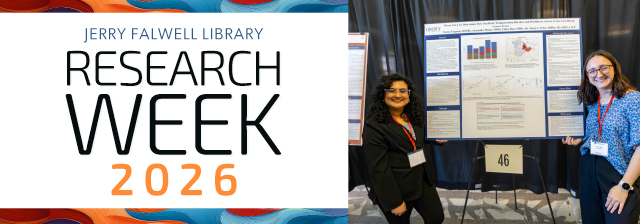
The Impact of Maternal Western-style Diet on Ovarian Anti-Müllerian Hormone Expression and Localization in Mouse Offspring
Basic
The Western diet, characterized by high saturated fat and sucrose intake, has become increasingly prevalent in the United States and globally, yet its effects on female reproductive health across life stages remain insufficiently understood. In adult human females, consumption of a Western-style diet has been linked to an increase in premenstrual symptoms, higher rates of depression, and elevated free estradiol levels, contributing to an increased risk of breast cancer, particularly in postmenopausal women. In human female children, Western diet consumption has been linked to an early onset of secondary sexual characteristics and premature menarche. Maternal consumption of this diet during pregnancy has further been linked to reduce immune function and gut microbiome diversity in human offspring. Similar patterns are observed in animal models: in female mice, Western diet intake promotes obesity, decreases ovulated oocytes and litter size, disrupts hypothalamic-pituitary-ovarian axis regulation, and induces ovarian inflammation. Offspring of a Western-diet-fed mouse exhibit a reduced immune system, altered microbiome composition, impaired neuronal activity, and increased oxidative stress. To expand the understanding of how maternal diet influences female reproductive development, this study examines ovarian Anti-Müllerian Hormone (AMH) expression in the female offspring of C57BL/6J mice exposed to a Western diet during pregnancy. Ovarian tissue is analyzed through immunohistochemistry to localize AMH within follicular structures and through reverse transcription polymerase chain reaction to evaluate AMH gene expression. This design addresses the research question: “How does maternal consumption of a Western diet affect AMH expression and localization in the ovaries of female offspring?” Our findings can contribute to improved understanding of how maternal nutrition shapes offspring reproductive health and help guide future research investigating additional hormone markers, such as estrogen and progesterone, in diet-affected female offspring.
