

Posters
Category
Applied
Description
Context: The prevalence of youth athletes specializing in a single sport prior to puberty has steadily increased, often driven by aspirations to achieve elite performance status and secure scholarships. Clinicians, however, have observed significant negative consequences associated with early specialization, including psychological burnout, premature retirement, amotivation, and exhaustion. Within youth athletics, how does single-sport specialization early on compare with multi-sport participation when looking at the impact it has on psychological burnout throughout growth and maturation?
Methods: Across the included studies, early single-sport specialization was consistent in having higher levels of psychological stress and burnout symptoms when compared to multi-sport youth athletes. Waldron et al. reported that youth athletes who specialized at an early age demonstrate significantly higher amounts of burnout, amotivation, and declines in sport performance compared to those who specialized later. Morano et al. found that among youth athletes, they relate to lower self-esteem, negative psychosocial interactions, and burnout. This suggests that the intensity of single-sport specialization experiences affects one's psychological factors. Valenzuela-Moss et al. observed that although sports specialization increased from 7th to 12th grade, sport burnout remained relatively stable with age. This could indicate that each athlete individually would have a unique relationship between sport specialization and burnout.
Results: Database searches across CINHAL ultimate, MEDLINE ultimate, SPORTDiscus, and PubMed yielded 46 articles found using the PICO search criteria. A total of three studies met the inclusion and exclusion criteria. Those included a cross-sectional study, a prospective longitudinal study, and a retrospective cohort study. All studies were published in the past five years, written in English, and directly compared youth early sport specialization with psychological burnout in athletes under the age of 18. Collectively, these studies provided grade B evidence with statistically significant support for a correlation between early specialization in youth athletes and increased risk of psychological burnout.
Conclusion: Current evidence indicates that early single-sport specialization increases the risk for burnout and reduces motivation in youth sports, whereas multi-sport participation is associated with healthier overall psychosocial development. Encouraging youth athletes to participate in multiple sports instead of single-sport participation will promote healthier long-term development and reduce the likelihood of psychological burnout.
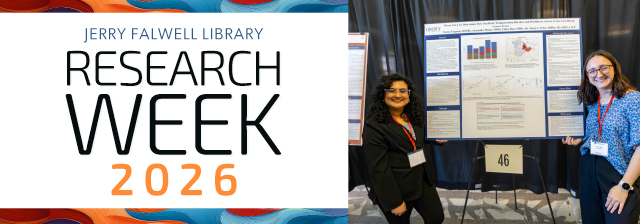
The Effect of Early Sport Specialization on Psychological Burnout in Youth Athletes: A Critically Appraised Topic
Applied
Context: The prevalence of youth athletes specializing in a single sport prior to puberty has steadily increased, often driven by aspirations to achieve elite performance status and secure scholarships. Clinicians, however, have observed significant negative consequences associated with early specialization, including psychological burnout, premature retirement, amotivation, and exhaustion. Within youth athletics, how does single-sport specialization early on compare with multi-sport participation when looking at the impact it has on psychological burnout throughout growth and maturation?
Methods: Across the included studies, early single-sport specialization was consistent in having higher levels of psychological stress and burnout symptoms when compared to multi-sport youth athletes. Waldron et al. reported that youth athletes who specialized at an early age demonstrate significantly higher amounts of burnout, amotivation, and declines in sport performance compared to those who specialized later. Morano et al. found that among youth athletes, they relate to lower self-esteem, negative psychosocial interactions, and burnout. This suggests that the intensity of single-sport specialization experiences affects one's psychological factors. Valenzuela-Moss et al. observed that although sports specialization increased from 7th to 12th grade, sport burnout remained relatively stable with age. This could indicate that each athlete individually would have a unique relationship between sport specialization and burnout.
Results: Database searches across CINHAL ultimate, MEDLINE ultimate, SPORTDiscus, and PubMed yielded 46 articles found using the PICO search criteria. A total of three studies met the inclusion and exclusion criteria. Those included a cross-sectional study, a prospective longitudinal study, and a retrospective cohort study. All studies were published in the past five years, written in English, and directly compared youth early sport specialization with psychological burnout in athletes under the age of 18. Collectively, these studies provided grade B evidence with statistically significant support for a correlation between early specialization in youth athletes and increased risk of psychological burnout.
Conclusion: Current evidence indicates that early single-sport specialization increases the risk for burnout and reduces motivation in youth sports, whereas multi-sport participation is associated with healthier overall psychosocial development. Encouraging youth athletes to participate in multiple sports instead of single-sport participation will promote healthier long-term development and reduce the likelihood of psychological burnout.
