

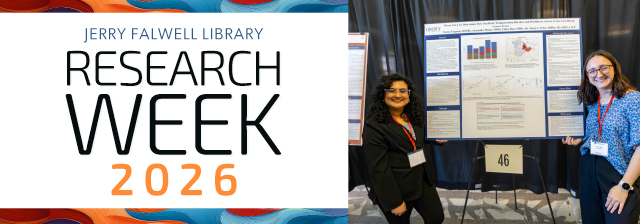
Posters
Category
Theoretical Proposal
Description
Clinical Scenario: Historically, concussion management has emphasized inactivity or restricted aerobic activity for athletes recovering from sports-related concussions. Emerging evidence, however, suggests that incorporating controlled aerobic exercise during rehabilitation may facilitate recovery and reduce the persistence of post-concussion symptoms. Focused Clinical Question: In adolescents with sports-related concussions, does the implementation of aerobic exercise facilitate recovery and reduce the risk of persistent post-injury symptoms? Summary of Key Findings: The studies discussed in this Critically Appraised Topic (CAT) consistently demonstrate that sub-symptom threshold aerobic exercise is both safe and beneficial for adolescent athletes recovering from acute or persistent sport-related concussions. This training helps facilitate recovery by limiting lingering symptoms compared to traditional approaches such as rest, stretching, or inactivity. Collectively, the evidence supports aerobic exercises as a beneficial and effective component of sports-related concussion rehabilitation. Clinical Bottom Line: Current evidence-based research supports the use of early, sub-threshold aerobic exercises as a safe and efficient therapeutic intervention for adolescents with sports-related concussions. However, there still needs to be more research to clarify the physiological mechanisms that contribute to these therapeutic benefits that improve recovery outcomes. Strength of Recommendation: Grade A evidence. All research studies pertaining to aerobic training versus inactivity/stretching supported the use of early aerobic training to help reduce the risk of persistent concussion and enhance concussion recovery.7
The Role of Aerobic Exercise in Reducing Post-Injury Symptoms Among Adolescents with Brain Injury: A Critically Appraised Topic
Theoretical Proposal
Clinical Scenario: Historically, concussion management has emphasized inactivity or restricted aerobic activity for athletes recovering from sports-related concussions. Emerging evidence, however, suggests that incorporating controlled aerobic exercise during rehabilitation may facilitate recovery and reduce the persistence of post-concussion symptoms. Focused Clinical Question: In adolescents with sports-related concussions, does the implementation of aerobic exercise facilitate recovery and reduce the risk of persistent post-injury symptoms? Summary of Key Findings: The studies discussed in this Critically Appraised Topic (CAT) consistently demonstrate that sub-symptom threshold aerobic exercise is both safe and beneficial for adolescent athletes recovering from acute or persistent sport-related concussions. This training helps facilitate recovery by limiting lingering symptoms compared to traditional approaches such as rest, stretching, or inactivity. Collectively, the evidence supports aerobic exercises as a beneficial and effective component of sports-related concussion rehabilitation. Clinical Bottom Line: Current evidence-based research supports the use of early, sub-threshold aerobic exercises as a safe and efficient therapeutic intervention for adolescents with sports-related concussions. However, there still needs to be more research to clarify the physiological mechanisms that contribute to these therapeutic benefits that improve recovery outcomes. Strength of Recommendation: Grade A evidence. All research studies pertaining to aerobic training versus inactivity/stretching supported the use of early aerobic training to help reduce the risk of persistent concussion and enhance concussion recovery.7
