

Posters
Category
Textual or Investigative
Description
Background: The planet has warmed considerably over the past four decades, leading to more extreme weather events like floods, fires, and hurricanes. In the U.S., the number of climate-related disasters has surged, affecting approximately 1.7 billion people between 2010 and 2020. Projections suggest that by 2050, the U.S. population impacted by climate-related disasters could double, with a quarter of the population affected annually. Research indicates that 25% to 50% of people exposed to extreme weather events are susceptible to negative mental health consequences, such as anxiety and PTSD. This underscores the urgent need to address the psychological impact of climate change, making it a critical area of focus in global public health research. This study aims to systematically synthesize existing evidence on the mental health effects of climate-related adverse events in the U.S.
Methods: Systematically searched three databases (PubMed, PsychInfo, and ScienceDirect) for literature published between 2020 and 2025, using specific keywords joined by the Boolean operators “and” and “or.” Thematically analyzed the findings of 18 peer-reviewed articles that met the study’s inclusion criteria out of the 894 results yielded.
Results: Findings indicate that climate change and related adverse events directly and indirectly increase mental health hospital visits and admissions, and cause or increase the prevalence of conditions like psychosis, PTSD, anxiety, and mood disorders. Vulnerable populations, including low-income families, older adults, children, and marginalized communities, are disproportionately affected. Racial inequalities also exacerbate mental health impacts. Nonetheless, protective factors, such as resilience and mindfulness, have been shown to reduce these detrimental effects, particularly among marginalized communities.
Conclusion: This study’s findings highlight the increasing need to address the mental health effects of climate change, especially among marginalized and vulnerable populations. Thus, it is necessary to incorporate mental health considerations into climate change policies and post-adverse event relief initiatives. These include creating targeted interventions for vulnerable and marginalized populations, prioritizing mental health initiatives for populations affected by adverse events, and incorporating climate resilience and support methods into national public health frameworks.
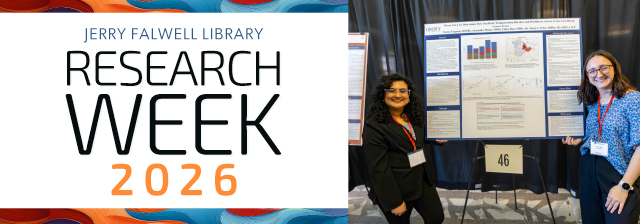
Mental Health Consequences of Climate-Related Hazards: A US Case Study.
Textual or Investigative
Background: The planet has warmed considerably over the past four decades, leading to more extreme weather events like floods, fires, and hurricanes. In the U.S., the number of climate-related disasters has surged, affecting approximately 1.7 billion people between 2010 and 2020. Projections suggest that by 2050, the U.S. population impacted by climate-related disasters could double, with a quarter of the population affected annually. Research indicates that 25% to 50% of people exposed to extreme weather events are susceptible to negative mental health consequences, such as anxiety and PTSD. This underscores the urgent need to address the psychological impact of climate change, making it a critical area of focus in global public health research. This study aims to systematically synthesize existing evidence on the mental health effects of climate-related adverse events in the U.S.
Methods: Systematically searched three databases (PubMed, PsychInfo, and ScienceDirect) for literature published between 2020 and 2025, using specific keywords joined by the Boolean operators “and” and “or.” Thematically analyzed the findings of 18 peer-reviewed articles that met the study’s inclusion criteria out of the 894 results yielded.
Results: Findings indicate that climate change and related adverse events directly and indirectly increase mental health hospital visits and admissions, and cause or increase the prevalence of conditions like psychosis, PTSD, anxiety, and mood disorders. Vulnerable populations, including low-income families, older adults, children, and marginalized communities, are disproportionately affected. Racial inequalities also exacerbate mental health impacts. Nonetheless, protective factors, such as resilience and mindfulness, have been shown to reduce these detrimental effects, particularly among marginalized communities.
Conclusion: This study’s findings highlight the increasing need to address the mental health effects of climate change, especially among marginalized and vulnerable populations. Thus, it is necessary to incorporate mental health considerations into climate change policies and post-adverse event relief initiatives. These include creating targeted interventions for vulnerable and marginalized populations, prioritizing mental health initiatives for populations affected by adverse events, and incorporating climate resilience and support methods into national public health frameworks.
