

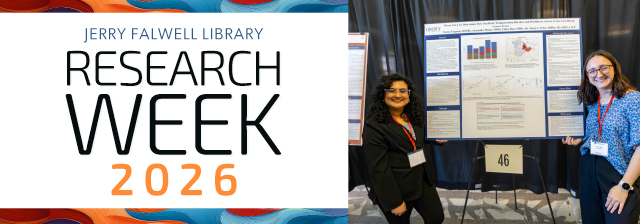
Posters
Category
Basic
Description
Curcumin and C646 both inhibit p300/CBP histone acetyltransferase (HAT) activity, but they differ markedly in their mechanisms, potency, and effects on cellular function. Both compounds have been investigated as modulators of the insulin-signaling pathway and have shown potential for improving insulin-signaling–related defects in experimental models. Our previous findings showed that curcumin positively impacted a metabolic pathway by reducing IRS-1 phosphorylation at S1101, a negative regulatory site, while maintaining downstream PRAS40 and RPS6 phosphorylation. Although C646 also reduced IRS-1 S1101 phosphorylation, it did not preserve downstream insulin signaling as effectively as curcumin. We hypothesized that target proteins within the mitogenic pathway, MSK T581 and p90 RSK S380, will elicit differing phosphorylation levels when treated with C646 or curcumin. Insulin stimulated, HepG2 cells were then treated with either C646 or curcumin for 16hrs. Samples were collected and analyzed using western blot. Interestingly, C646 maintained downstream metabolic signaling with RPS6 phosphorylation unlike our previous experiment. We propose that the removal of both phosphatidic acid and glucose are important for this metabolic response. Additionally, C646 increased the expression of phosphorylation of p90RSK S380, a protein associated with transformation and metastasis of multiple different cancers, while curcumin did not. Therefore, C646’s ability to upregulate p90RSK poses many cancer concerns for its application in humans. P90 RSK is also associated with cardiovascular and kidney diseases. C646 also increased the phosphorylation of MSK1 T581, a regulator of proinflammatory responses. Previous research has shown C646 to hinder the innate immune system’s ability to respond to and phagocytose bacteria through multiple mechanisms including the reduction of pro-inflammatory signals. MSK1 may also be playing a significant role since its downstream targets lead to the production of anti-inflammatory signals. Therefore, the C646 mediated upregulation of MSK1 and p90 RSK could impair sufficient immune response and promotes pathogenic processes involved in cancer progression, cardiac remodeling, and renal fibrosis, respectively. On the other hand, curcumin maintains the basal phosphorylation levels of p90 RSK and MSK1, while successfully reducing the negative regulation of IRS-1 associated with insulin signaling impairment.
Differential Effects of Curcumin and C646 on Mitogenic and Metabolic Signaling in Insulin-Stimulated HepG2 Cells
Basic
Curcumin and C646 both inhibit p300/CBP histone acetyltransferase (HAT) activity, but they differ markedly in their mechanisms, potency, and effects on cellular function. Both compounds have been investigated as modulators of the insulin-signaling pathway and have shown potential for improving insulin-signaling–related defects in experimental models. Our previous findings showed that curcumin positively impacted a metabolic pathway by reducing IRS-1 phosphorylation at S1101, a negative regulatory site, while maintaining downstream PRAS40 and RPS6 phosphorylation. Although C646 also reduced IRS-1 S1101 phosphorylation, it did not preserve downstream insulin signaling as effectively as curcumin. We hypothesized that target proteins within the mitogenic pathway, MSK T581 and p90 RSK S380, will elicit differing phosphorylation levels when treated with C646 or curcumin. Insulin stimulated, HepG2 cells were then treated with either C646 or curcumin for 16hrs. Samples were collected and analyzed using western blot. Interestingly, C646 maintained downstream metabolic signaling with RPS6 phosphorylation unlike our previous experiment. We propose that the removal of both phosphatidic acid and glucose are important for this metabolic response. Additionally, C646 increased the expression of phosphorylation of p90RSK S380, a protein associated with transformation and metastasis of multiple different cancers, while curcumin did not. Therefore, C646’s ability to upregulate p90RSK poses many cancer concerns for its application in humans. P90 RSK is also associated with cardiovascular and kidney diseases. C646 also increased the phosphorylation of MSK1 T581, a regulator of proinflammatory responses. Previous research has shown C646 to hinder the innate immune system’s ability to respond to and phagocytose bacteria through multiple mechanisms including the reduction of pro-inflammatory signals. MSK1 may also be playing a significant role since its downstream targets lead to the production of anti-inflammatory signals. Therefore, the C646 mediated upregulation of MSK1 and p90 RSK could impair sufficient immune response and promotes pathogenic processes involved in cancer progression, cardiac remodeling, and renal fibrosis, respectively. On the other hand, curcumin maintains the basal phosphorylation levels of p90 RSK and MSK1, while successfully reducing the negative regulation of IRS-1 associated with insulin signaling impairment.
