

Posters
Category
Basic
Description
Postmortem interval (PMI) estimation remains a central challenge in forensic science, particularly during the early stages of decomposition. Quantifying biochemical changes during tissue breakdown has emerged as a promising approach to improve accuracy in PMI determination. This study expands on earlier research that quantified the biogenic amines cadaverine (CAD), putrescine (PUT), and methylamine (MEA), which result from bacterial amino acid decarboxylation during decomposition. It specifically examines how these compounds form under anaerobic conditions over a prolonged 30-day period. Porcine liver, serving as a human tissue analog, was decomposed in sealed anaerobic chambers. Tissue samples were collected at regular intervals, homogenized, and subjected to derivatization with pentafluorobenzaldehyde (PFB) to form high molecular weight imines. These derivatives were quantified using gas chromatography–mass spectrometry (GC/MS), with hexanediamine (HXD) and pentafluoroaniline (PFA) as internal standards and external calibration curves for accurate quantitation. Concentrations of CAD, PUT, and MEA were analyzed over time and correlated with accumulated degree hours (ADH) to account for temperature-dependent decomposition. Preliminary results indicate that anaerobic conditions influence both the rate and magnitude of amine production, suggesting that this method can provide refined PMI estimates in low-oxygen or buried environments. These findings expand the utility of amine profiling for forensic investigations, particularly in cases where aerobic decomposition models may not apply.
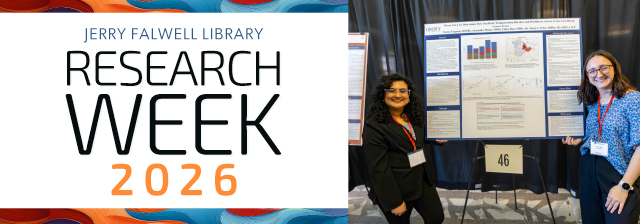
Quantifying Biogenic Amines in Anaerobic Porcine Liver Decomposition for Improved PMI Estimation using GC/MS
Basic
Postmortem interval (PMI) estimation remains a central challenge in forensic science, particularly during the early stages of decomposition. Quantifying biochemical changes during tissue breakdown has emerged as a promising approach to improve accuracy in PMI determination. This study expands on earlier research that quantified the biogenic amines cadaverine (CAD), putrescine (PUT), and methylamine (MEA), which result from bacterial amino acid decarboxylation during decomposition. It specifically examines how these compounds form under anaerobic conditions over a prolonged 30-day period. Porcine liver, serving as a human tissue analog, was decomposed in sealed anaerobic chambers. Tissue samples were collected at regular intervals, homogenized, and subjected to derivatization with pentafluorobenzaldehyde (PFB) to form high molecular weight imines. These derivatives were quantified using gas chromatography–mass spectrometry (GC/MS), with hexanediamine (HXD) and pentafluoroaniline (PFA) as internal standards and external calibration curves for accurate quantitation. Concentrations of CAD, PUT, and MEA were analyzed over time and correlated with accumulated degree hours (ADH) to account for temperature-dependent decomposition. Preliminary results indicate that anaerobic conditions influence both the rate and magnitude of amine production, suggesting that this method can provide refined PMI estimates in low-oxygen or buried environments. These findings expand the utility of amine profiling for forensic investigations, particularly in cases where aerobic decomposition models may not apply.
