

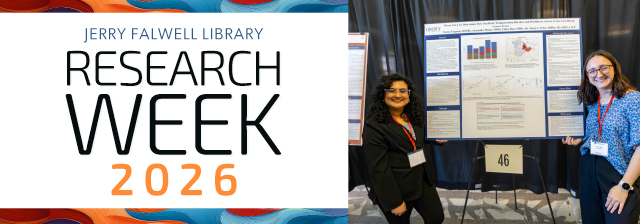
Posters
Category
Theoretical Proposal
Description
Context: Artificial turf has been shown to be controversial despite being a cost-effective alternative to natural grass because of the potential risks it has on athletes’ lower extremity (LE) injury, specifically the anterior cruciate ligament (ACL). Elite male football players were chosen as the population of choice to determine the risk of ACL injury incidence on artificial turf compared to natural grass. The purpose of this critically appraised topic is to appraise the best available literature to identify the impact of artificial turf on knee injury rate in male elite football players.
Methods: A computerized search strategy was done from December 2025 through February 2026. Databases searched include ScienceDirect, PubMed, TRIP database, Google Scholar, EBSCO host, and the JFL database. "Elite male football player” AND “ACL” AND “artificial turf” were the search phrases used to find articles that fit the desired study criteria. Inclusion criteria included athletes described as collegiate and professional male football players, articles in English, articles within 15 years of relevance, and articles reporting on knee injury incidence. Exclusion criteria consisted of studies that reported on females, articles that reported on adolescents, and studies that reported on sports other than American football. Critical appraising was done using CASP cohort checklists and the Centre for Evidence-Based Medicine (CEBM).
Results: 4,860 articles were found through all the database searches, with 5 articles meeting the inclusion and exclusion criteria. Incidence rate ratios (IRR) and incidence density ratios (IDR) on artificial turf compared to natural grass was reported across the 5 articles. In the NFL, LE injuries IRR was reported 1.16 in 2014-2016, and 1.6 from 2021-2022. From 2000-2009, the IDR of ACL sprains on artificial turf was 1.67 compared to natural grass in NFL football players. In the NCAA football, from 2004-2005 through 2013-2014, PCL injuries specifically had an IRR of 2.99, while ACL injuries had an IRR of 1.63. From the 2004-2005 through 2008-2009 NCAA football season, ACL sprains specifically had an IRR of 1.39 on artificial turf compared to natural grass.
Conclusion: There is an increased risk of LE injuries, specifically ACL injuries in the male elite football player on artificial turf compared to natural grass. Coaches, athletes, field maintenance crews, and other health care providers should be educated on these findings. Future research should be done to determine the differences in artificial turf on ACL and LE injuries, as research is limited. Effects of footwear can also be a factor that can influence LE injury rates and could be a contributing factor that could benefit from further research.
ACL Injury Incidence on Artificial Turf Versus Natural Grass in Elite Male Football Players: A Critically Appraised Topic
Theoretical Proposal
Context: Artificial turf has been shown to be controversial despite being a cost-effective alternative to natural grass because of the potential risks it has on athletes’ lower extremity (LE) injury, specifically the anterior cruciate ligament (ACL). Elite male football players were chosen as the population of choice to determine the risk of ACL injury incidence on artificial turf compared to natural grass. The purpose of this critically appraised topic is to appraise the best available literature to identify the impact of artificial turf on knee injury rate in male elite football players.
Methods: A computerized search strategy was done from December 2025 through February 2026. Databases searched include ScienceDirect, PubMed, TRIP database, Google Scholar, EBSCO host, and the JFL database. "Elite male football player” AND “ACL” AND “artificial turf” were the search phrases used to find articles that fit the desired study criteria. Inclusion criteria included athletes described as collegiate and professional male football players, articles in English, articles within 15 years of relevance, and articles reporting on knee injury incidence. Exclusion criteria consisted of studies that reported on females, articles that reported on adolescents, and studies that reported on sports other than American football. Critical appraising was done using CASP cohort checklists and the Centre for Evidence-Based Medicine (CEBM).
Results: 4,860 articles were found through all the database searches, with 5 articles meeting the inclusion and exclusion criteria. Incidence rate ratios (IRR) and incidence density ratios (IDR) on artificial turf compared to natural grass was reported across the 5 articles. In the NFL, LE injuries IRR was reported 1.16 in 2014-2016, and 1.6 from 2021-2022. From 2000-2009, the IDR of ACL sprains on artificial turf was 1.67 compared to natural grass in NFL football players. In the NCAA football, from 2004-2005 through 2013-2014, PCL injuries specifically had an IRR of 2.99, while ACL injuries had an IRR of 1.63. From the 2004-2005 through 2008-2009 NCAA football season, ACL sprains specifically had an IRR of 1.39 on artificial turf compared to natural grass.
Conclusion: There is an increased risk of LE injuries, specifically ACL injuries in the male elite football player on artificial turf compared to natural grass. Coaches, athletes, field maintenance crews, and other health care providers should be educated on these findings. Future research should be done to determine the differences in artificial turf on ACL and LE injuries, as research is limited. Effects of footwear can also be a factor that can influence LE injury rates and could be a contributing factor that could benefit from further research.
