

Posters
Category
Textual or Investigative
Description
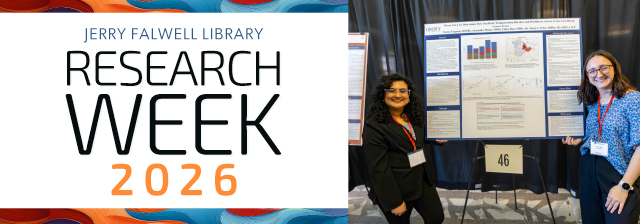
Breastfeeding has long been recognized as the optimal nutritional option for infants due to its extensive health benefits for both infants and mothers. According to the World Health Organization (WHO), early initiation and exclusive breastfeeding serve as protective factors infant morbidity and mortality.1 Despite the knowledge on breastfeeding and its significance to infant growth and development, breastfeeding rates remain suboptimal worldwide. Even in the U.S., public health has identified increasing breastfeeding rates as a national goal, especially targeting low-income areas. The purpose of this study is to systematically identify and evaluate studies examining breastfeeding practices and infant outcomes among the Virginian, West Virginian, and Appalachian populations and to identify gaps for future research. A systematic review of studies published between January 2015 and December 2025 was conducted across six select databases (Scopus, CINAHL, MEDLINE, Nursing & Allied Health-EBSCO and -ProQuest, and Consumer Health Database) using keyword searches on breastfeeding and infant outcomes in the target geographic area. The initial search yielded a total of 582 results, which were then screened for eligibility, resulting in 10 articles that met the inclusion criteria. This systematic review addresses the literary gap on research documenting infant health outcomes associated with breastfeeding, particularly in the Appalachian area. Study findings can promote further research and policy-making that aligns resource allocation with public health priorities that are evidence-based.
Breastfeeding and Infant Health in Virginia: A Systematic Review (2015-2025)
Textual or Investigative
Breastfeeding has long been recognized as the optimal nutritional option for infants due to its extensive health benefits for both infants and mothers. According to the World Health Organization (WHO), early initiation and exclusive breastfeeding serve as protective factors infant morbidity and mortality.1 Despite the knowledge on breastfeeding and its significance to infant growth and development, breastfeeding rates remain suboptimal worldwide. Even in the U.S., public health has identified increasing breastfeeding rates as a national goal, especially targeting low-income areas. The purpose of this study is to systematically identify and evaluate studies examining breastfeeding practices and infant outcomes among the Virginian, West Virginian, and Appalachian populations and to identify gaps for future research. A systematic review of studies published between January 2015 and December 2025 was conducted across six select databases (Scopus, CINAHL, MEDLINE, Nursing & Allied Health-EBSCO and -ProQuest, and Consumer Health Database) using keyword searches on breastfeeding and infant outcomes in the target geographic area. The initial search yielded a total of 582 results, which were then screened for eligibility, resulting in 10 articles that met the inclusion criteria. This systematic review addresses the literary gap on research documenting infant health outcomes associated with breastfeeding, particularly in the Appalachian area. Study findings can promote further research and policy-making that aligns resource allocation with public health priorities that are evidence-based.
