

Posters
Category
Basic
Description
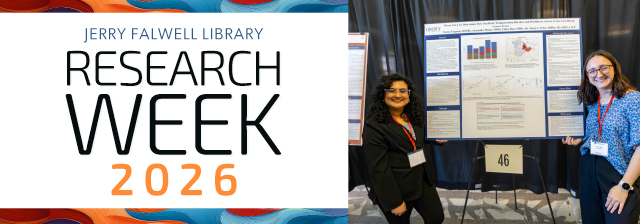
Gene expression in eukaryotes is tightly regulated by post-translational modifications. Histone acetylation is an epigenetic modification associated with increased transcription. The putative histone acetyltransferase (HAT) in the fungus Cryptococcus neoformans, Something About Silencing 3 (SAS3), has been a novel research target due to its potential role in virulence that causes nearly 112,000 to 625,000 annual deaths worldwide through cryptococcal meningitis. Although SAS3 homologs acetylate core histone 3 in mammalian organisms, recombinant SAS3 has not yet demonstrated HAT activity. Previously, an established human HAT p300 was used as a positive control to validate enzymatic conditions for HAT assays. However, using known yeast-native HATs such as ESA1 and GCN5 can provide more physiologically relevant conditions for developing an appropriately designed SAS3 HAT assay. Hence, we aim to optimize an in vitro HAT assay using ESA1 and GCN5 to better characterize SAS3. Future research will assess whether the incorporation of additional cofactors, such as RNA (polyU), is required for SAS3 transcriptional activity in chromatin regulation and pathogenesis.
Bacterial Purification of HAT Enzymes from Cryptococcus neoformans: ESA1 and GCN5 Purification
Basic
Gene expression in eukaryotes is tightly regulated by post-translational modifications. Histone acetylation is an epigenetic modification associated with increased transcription. The putative histone acetyltransferase (HAT) in the fungus Cryptococcus neoformans, Something About Silencing 3 (SAS3), has been a novel research target due to its potential role in virulence that causes nearly 112,000 to 625,000 annual deaths worldwide through cryptococcal meningitis. Although SAS3 homologs acetylate core histone 3 in mammalian organisms, recombinant SAS3 has not yet demonstrated HAT activity. Previously, an established human HAT p300 was used as a positive control to validate enzymatic conditions for HAT assays. However, using known yeast-native HATs such as ESA1 and GCN5 can provide more physiologically relevant conditions for developing an appropriately designed SAS3 HAT assay. Hence, we aim to optimize an in vitro HAT assay using ESA1 and GCN5 to better characterize SAS3. Future research will assess whether the incorporation of additional cofactors, such as RNA (polyU), is required for SAS3 transcriptional activity in chromatin regulation and pathogenesis.
