

Posters
Category
Textual or Investigative
Description
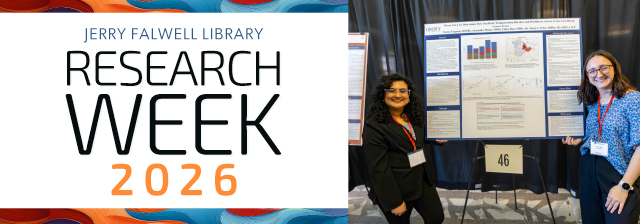
The development of footwear from the outset of civilizations and the rise in popularity associated with their use in the Roman Empire has led to the diversification of styles and uses for shoes that we see today. While the first shoes were rudimentary, they fulfilled the basic need of protecting the wearer’s feet from the various abrasive textures and temperatures of the landscapes they lived in. Those initial shoes were consistently represented by layered fabrics or leather wrapped around the feet before they then progressed further into the leather sandals that were displayed by the gladiators of the Roman age. In society today, there are different styles, ranging from well-cushioned running shoes, to boots, to sandals, to high heels. While some of this diversity has arisen to fit the needs of different activities and terrains, many changes have occurred to conform to the standards of fashion and modern culture. It is no secret that some of these shoes are not the best for our feet. Did the Romans really know something we don’t? Do our shoes really have the power to influence our health? This literature review seeks to determine the effects of barefoot shoes, shoes that have no heel-to-toe drop, thin and flexible soles, and a wide toe box, on foot biomechanics, arch support, and overall musculoskeletal health compared to conventional footwear. Our hypothesis posits that the transition to barefoot or minimalist shoes will decrease the cumulative wear and tear that our bodies experience on a daily basis. Findings from this review will help raise awareness about the use of barefoot shoes or even barefoot walking, which may foster a healthier ground-up approach to our footwear.
Barefoot Shoes: The Effect on Health and Wellness
Textual or Investigative
The development of footwear from the outset of civilizations and the rise in popularity associated with their use in the Roman Empire has led to the diversification of styles and uses for shoes that we see today. While the first shoes were rudimentary, they fulfilled the basic need of protecting the wearer’s feet from the various abrasive textures and temperatures of the landscapes they lived in. Those initial shoes were consistently represented by layered fabrics or leather wrapped around the feet before they then progressed further into the leather sandals that were displayed by the gladiators of the Roman age. In society today, there are different styles, ranging from well-cushioned running shoes, to boots, to sandals, to high heels. While some of this diversity has arisen to fit the needs of different activities and terrains, many changes have occurred to conform to the standards of fashion and modern culture. It is no secret that some of these shoes are not the best for our feet. Did the Romans really know something we don’t? Do our shoes really have the power to influence our health? This literature review seeks to determine the effects of barefoot shoes, shoes that have no heel-to-toe drop, thin and flexible soles, and a wide toe box, on foot biomechanics, arch support, and overall musculoskeletal health compared to conventional footwear. Our hypothesis posits that the transition to barefoot or minimalist shoes will decrease the cumulative wear and tear that our bodies experience on a daily basis. Findings from this review will help raise awareness about the use of barefoot shoes or even barefoot walking, which may foster a healthier ground-up approach to our footwear.
