

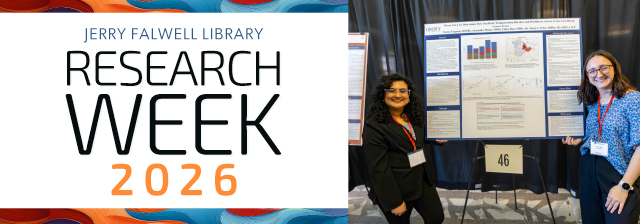
Posters
Category
Basic
Description
Catalase is the main enzyme in yeast that catalyzes the popular “elephant’s toothpaste” reaction. Elephant’s toothpaste reactions often proceed using an iodide or yeast catalyst, but iodine is favored for ease of quantitative analysis. There remains little statistical data on the yeast-catalyzed hydrogen decomposition reaction. The relationship between reagent amounts and reaction rate was measured by manipulating reagent quantity while maintaining other variables. The results were graphed and fitted for linearity, indicating the relative relationship between each reagent and the overall reaction rate. There were strong positive correlations between yeast and hydrogen peroxide concentrations and reaction rate. Augmenting the volume of dish soap added did not have a noticeable effect on reaction rate. Varying yeast sources were shown to have distinct reaction rate distributions. The results suggest that increasing both hydrogen peroxide and yeast concentrations may lead to a compounded enhancement of the reaction rate. Yeast age may also play a role in regulating the reactivity of the reaction mixture. Optimizing hydrogen peroxide and yeast concentrations while investigating ways to stabilize yeast reactivity will lead to greater understanding of how the reagents and their properties determine progression of the elephant’s toothpaste reaction.
Elephant's Toothpaste: A Statistical Investigation of the Yeast-Catalyzed Decomposition of Hydrogen Peroxide
Basic
Catalase is the main enzyme in yeast that catalyzes the popular “elephant’s toothpaste” reaction. Elephant’s toothpaste reactions often proceed using an iodide or yeast catalyst, but iodine is favored for ease of quantitative analysis. There remains little statistical data on the yeast-catalyzed hydrogen decomposition reaction. The relationship between reagent amounts and reaction rate was measured by manipulating reagent quantity while maintaining other variables. The results were graphed and fitted for linearity, indicating the relative relationship between each reagent and the overall reaction rate. There were strong positive correlations between yeast and hydrogen peroxide concentrations and reaction rate. Augmenting the volume of dish soap added did not have a noticeable effect on reaction rate. Varying yeast sources were shown to have distinct reaction rate distributions. The results suggest that increasing both hydrogen peroxide and yeast concentrations may lead to a compounded enhancement of the reaction rate. Yeast age may also play a role in regulating the reactivity of the reaction mixture. Optimizing hydrogen peroxide and yeast concentrations while investigating ways to stabilize yeast reactivity will lead to greater understanding of how the reagents and their properties determine progression of the elephant’s toothpaste reaction.
