

Posters
Category
Textual or Investigative
Description
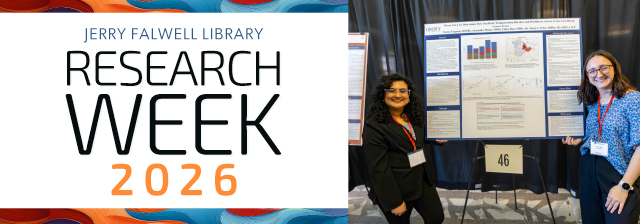
Maternal mortality remains a vital public health concern, with a global rate of about 197 deaths per 100,000 live births and a rate of | 8.6 in the United States. Black women face a much higher rate of 50.3. Virginia reports 57 pregnancy-related deaths, which equal 70.1 per 100,000 live births, highlighting significant racial disparities. In the Central Virginia Health District, access to prenatal care varies, with 17.9% of Hispanic women receiving inadequate care, compared to 11% of Black women and 6.3% of White women, exposing inequities in maternal health services. This study conducted a descriptive research design, involving secondary data, literature reviews, secondary data analysis, public health data from CDC, WHO, government policy reports, (VDE), (CHIP), and peer-reviewed research Limited access to reproductive health services delays prenatal care and negatively impacts maternal and birth outcomes. Major obstacles include the closure of rural obstetric units, long travel distances to the hospital, provider shortages, and gaps in insurance coverage. These barriers primarily affect rural communities, women of color, and low-income groups, exacerbating health disparities. Limited access to reproductive health services in Lynchburg reflects systemic inequities impacting maternal and infant health. Solutions include coordinated policy interventions, healthcare workforce support, telehealth services, and mobile clinics to enhance access and ensure safer pregnancies for underserved women. Key Words: maternal health disparities, health equity, reproductive health access, innovative health, rural health, Medicaid expansion, prenatal care utilization, Lynchburg, Virginia
Limited Access to Reproductive Health Care and Maternal Health Outcomes in Lynchburg, Virginia
Textual or Investigative
Maternal mortality remains a vital public health concern, with a global rate of about 197 deaths per 100,000 live births and a rate of | 8.6 in the United States. Black women face a much higher rate of 50.3. Virginia reports 57 pregnancy-related deaths, which equal 70.1 per 100,000 live births, highlighting significant racial disparities. In the Central Virginia Health District, access to prenatal care varies, with 17.9% of Hispanic women receiving inadequate care, compared to 11% of Black women and 6.3% of White women, exposing inequities in maternal health services. This study conducted a descriptive research design, involving secondary data, literature reviews, secondary data analysis, public health data from CDC, WHO, government policy reports, (VDE), (CHIP), and peer-reviewed research Limited access to reproductive health services delays prenatal care and negatively impacts maternal and birth outcomes. Major obstacles include the closure of rural obstetric units, long travel distances to the hospital, provider shortages, and gaps in insurance coverage. These barriers primarily affect rural communities, women of color, and low-income groups, exacerbating health disparities. Limited access to reproductive health services in Lynchburg reflects systemic inequities impacting maternal and infant health. Solutions include coordinated policy interventions, healthcare workforce support, telehealth services, and mobile clinics to enhance access and ensure safer pregnancies for underserved women. Key Words: maternal health disparities, health equity, reproductive health access, innovative health, rural health, Medicaid expansion, prenatal care utilization, Lynchburg, Virginia
